

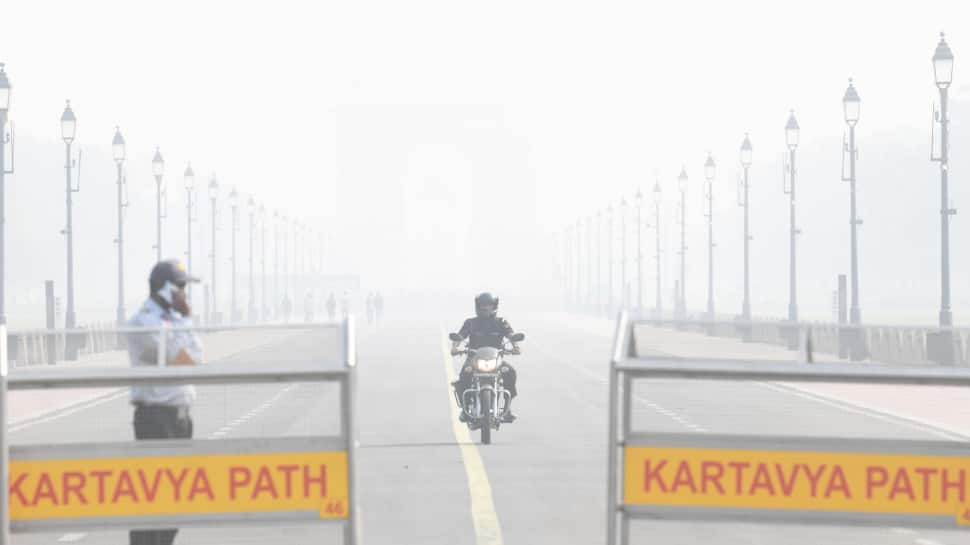
Delhi’s air quality has taken a severe nosedive following Diwali night, with the AQI registering in the ‘very poor’ zone on Tuesday morning. The Central Pollution Control Board (CPCB) had forecast this deterioration, predicting that air quality could reach ‘severe’ levels on Tuesday and Wednesday.
Measurements in the ITO area showed an AQI of 259, falling into the ‘poor’ classification. On Diwali morning itself, Delhi’s AQI was recorded at 335, and by Monday evening, it had climbed to 345, firmly within the ‘very poor’ bracket. The air quality in neighboring industrial and residential hubs reflects this alarming trend.
Faridabad reported a moderate AQI of 182, while Ghaziabad (316), Noida (325), and Gurugram (295) all fall into the ‘very poor’ or ‘poor’ categories. This spike in pollution levels poses significant threats to public health.
Health professionals are warning of an impending increase in respiratory distress, strokes, and cardiac events. Exposure to high levels of air pollution can lead to immediate health issues like asthma exacerbation and breathing difficulties, and has been linked to long-term problems including heart disease, stroke, dementia, and mental health disorders. Children, the elderly, and those with pre-existing health conditions are especially vulnerable.
In response to the escalating pollution, the Commission for Air Quality Management (CAQM) has initiated Stage-II of the Graded Response Action Plan (GRAP). Citizens are urged to adopt eco-friendly practices, including using public transport, minimizing dust exposure from vehicles, maintaining air filters, halting dust-raising construction activities until January, and avoiding the open burning of waste. A comprehensive 12-point action plan is now in effect across the NCR, mandating daily road cleaning, stringent dust control at construction sites, and uninterrupted power supply.