

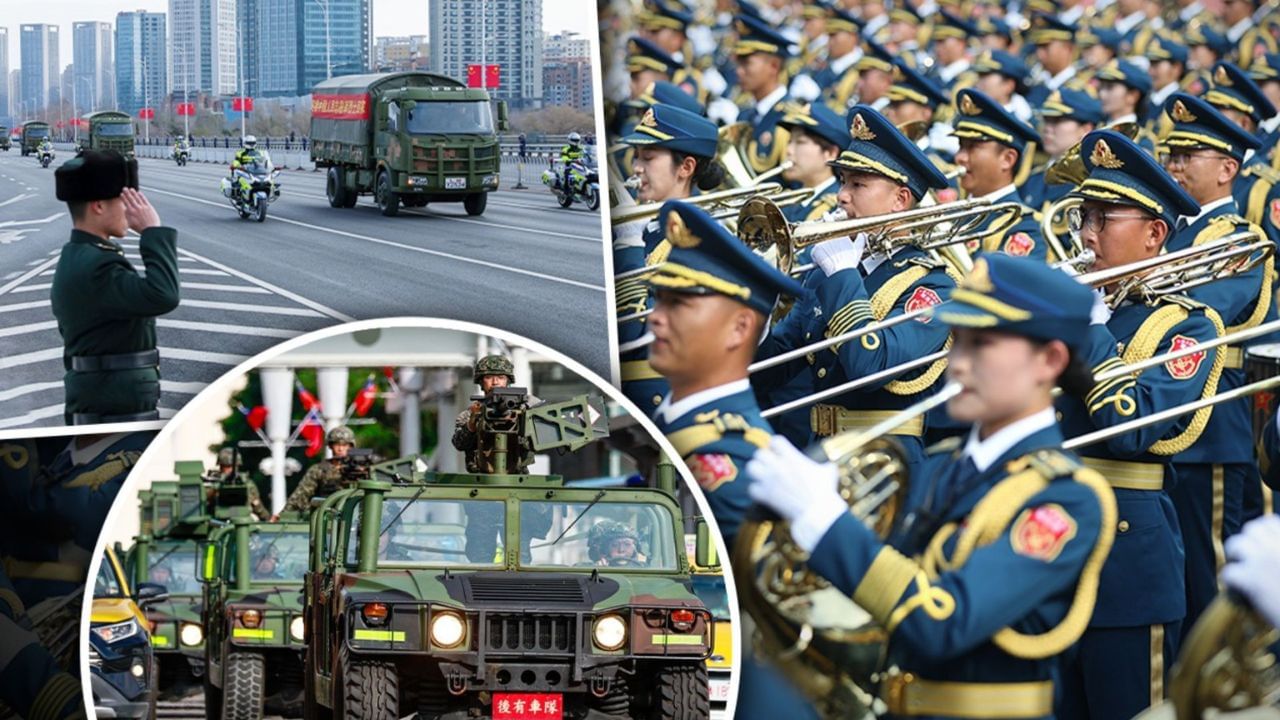
Beijing is gearing up for two major events: the Shanghai Cooperation Organization (SCO) summit in Tianjin, from August 31st to September 1st, followed by the Victory Day military parade on September 3rd. This parade commemorates the 80th anniversary of the victory over Japan in World War II.
China has invited leaders from more than 26 countries to attend the parade, including Russia, North Korea, Belarus, Iran, Indonesia, Myanmar, Cuba, the Democratic Republic of Congo, Zimbabwe, Serbia, and Slovakia, with representation from Southeast Asia (Cambodia, Laos, and Vietnam) and the Speaker of the South Korean Parliament.
The military parade is intended to display China’s advanced military prowess, featuring over 100 fighter jets, missiles, and tanks. China considers the event a demonstration of solidarity, particularly as Western nations express concern over the ongoing conflict in Ukraine and China’s regional policies.
India, alongside Turkey and Egypt, will only attend the SCO summit and will not participate in the parade. This aligns with India’s policy of not associating itself with any specific military axis, a stance shared by Western nations and their allies. The burgeoning India-Japan relationship is also a key factor. Prime Minister Modi’s recent visit to Tokyo strengthened the shared vision for the next decade. Participation in the Victory Day parade, which has direct symbolism related to victory over Japan, might negatively affect India-Japan relations, hence India’s decision.
India aims to balance its relationships with China while focusing on the Indo-Pacific region through Quad initiatives with Japan, the US, and Australia. Participating in China’s military parade could have presented a politically problematic message. The parade’s connection to the victory over Japan conflicts with India’s close partnership with Japan. While engaging in the SCO to promote regional cooperation and diplomatic dialogue, India is emphasizing its independent foreign policy by staying away from the parade. As China demonstrates its alliances, India will adhere to its strategic balancing act, concentrating its involvement within the SCO framework.