

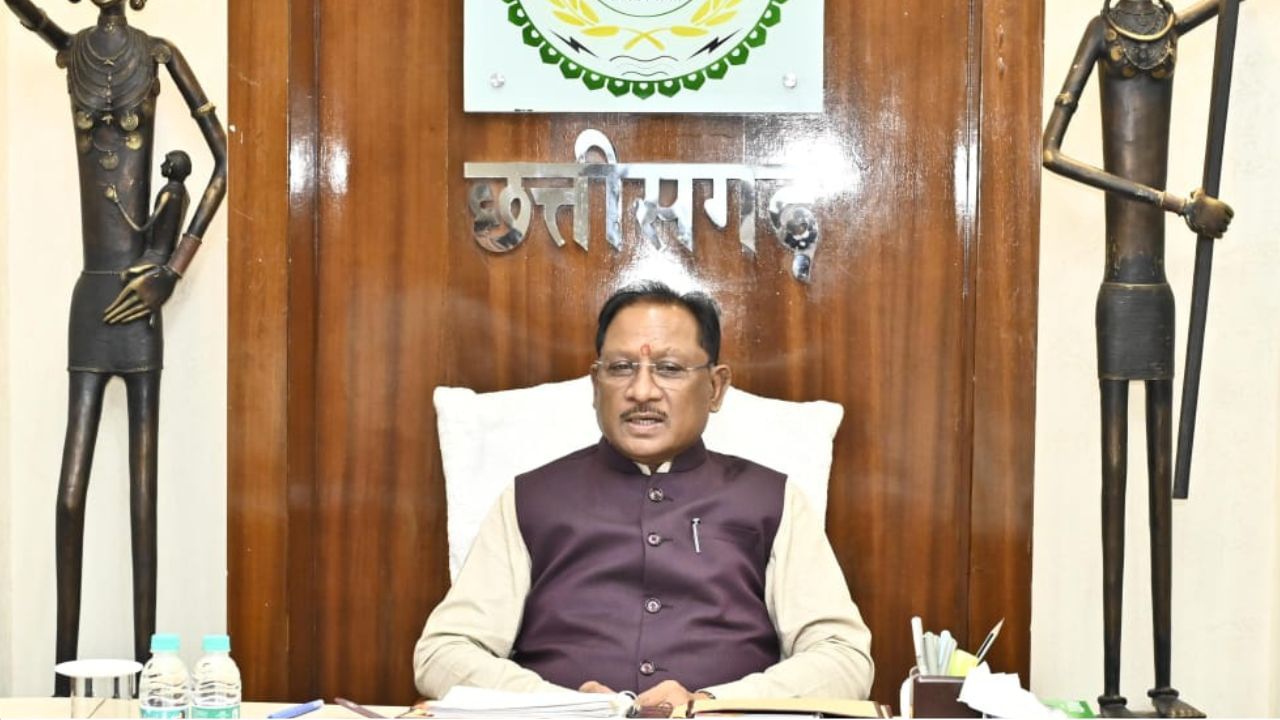
The Chhattisgarh government is implementing a new sand mining policy aimed at increasing transparency, organization, environmental sustainability, and public benefit. The previous policy led to a reduction in operational sand mines, negatively affecting construction and promoting illegal activities. The current government, led by CM Vishnu Deo Sai, is focused on rectifying these issues.
The new policy aims to streamline sand mining operations, ensuring they are well-regulated and beneficial for the public. This includes a focus on transparency and scientific methods.
To speed up environmental approvals, three state-level environmental impact assessment committees have been established, a significant increase from the single committee previously in place.
Currently, 119 sand mines are operating legally with environmental clearances, and 94 more are nearing final approval. Moreover, the government plans to approve over 300 new mines within the next 18 months to maintain a stable sand supply and support construction projects.
Research by IIT Roorkee found that controlled sand mining does not harm rivers, supporting the government’s scientifically-driven approach.
From 2024-25 to June 2025, 6,331 illegal mining cases were registered, with authorities recovering ₹18.02 crore, seizing 184 machines, and filing 56 FIRs and 57 court cases. Task forces at both the district and state levels are actively monitoring and enforcing regulations, involving officials from various departments.
Swift legal and administrative actions have been taken to address sand-related issues in various districts, demonstrating the government’s commitment to eliminating illegal activities.
Beneficiaries of the Pradhan Mantri Awas Yojana (housing scheme) are now exempt from sand royalty fees, providing direct financial relief to eligible individuals.
The Chhattisgarh government’s policy emphasizes responsible resource management, focusing on public benefit, transparency, and environmental sustainability. The new sand mining policy, developed with a structured, scientific, and long-term perspective, is designed to foster both economic development and environmental conservation in the state.