

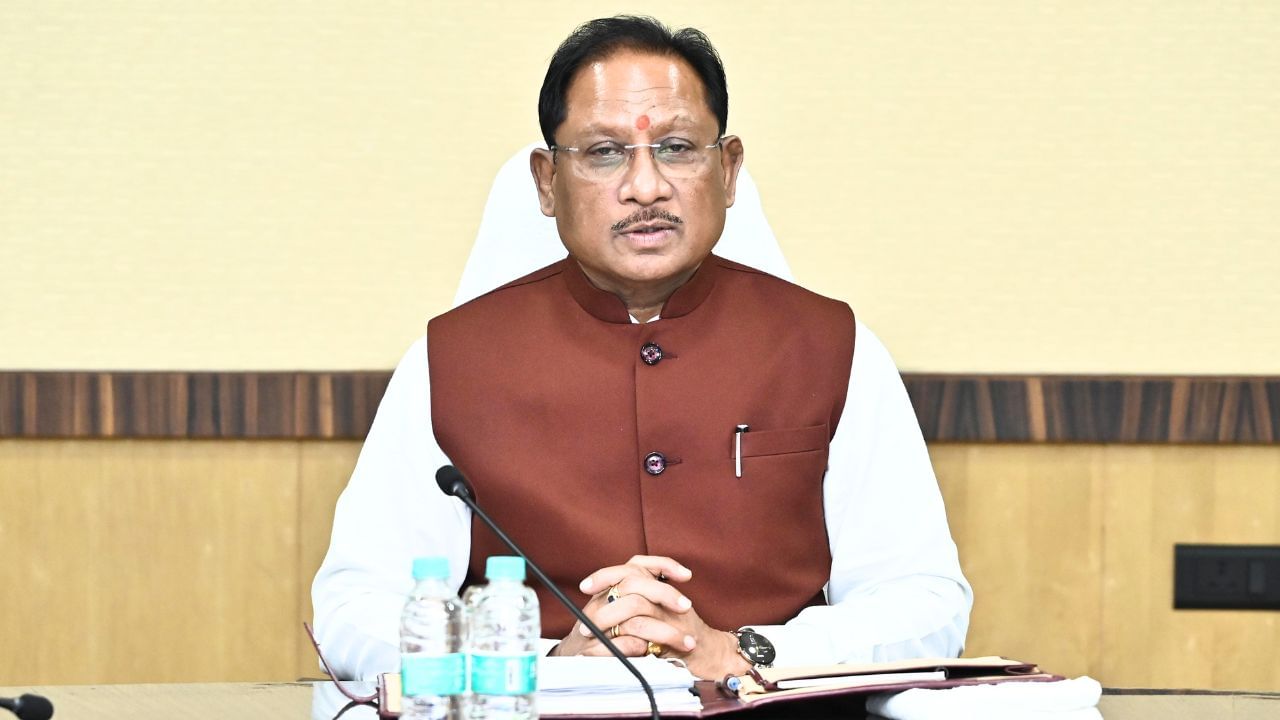
A recent Chhattisgarh Cabinet meeting, chaired by Chief Minister Vishnu Deo Sai, yielded several important decisions impacting various sectors. A key focus was on enhancing support for farmers and strengthening the state’s economic infrastructure.
The Krishak Unnati Yojana is being expanded to include farmers who cultivate pulses, oilseeds, and maize in place of paddy crops during the Kharif 2025 season. This expansion aims to provide financial assistance to a broader range of agricultural producers. Farmers who participated in the 2024 Kharif paddy procurement program and switch to cultivating alternative crops in 2025 will also be eligible for benefits.
To ensure financial stability and efficient management of pension liabilities, the Cabinet approved the Chhattisgarh Pension Fund Formation and its Management and Regulation Bill-2025. This measure seeks to streamline pension payments and improve long-term financial planning.
The Cabinet also approved the Chhattisgarh Growth and Stability Fund Formation and its Management and Regulation Bill-2025. This fund will help manage fluctuations in state revenue and provide financial security during economic downturns.
A significant step towards economic development is the approval of the Chhattisgarh State Logistics Policy-2025, aimed at establishing the state as a logistics hub. The policy will enhance export infrastructure, attract investment in the logistics and e-commerce sectors, and facilitate trade.
The policy emphasizes leveraging Chhattisgarh’s strategic location to boost storage capacity and reduce logistics costs, benefiting businesses and farmers. It will also encourage the development of dry ports and inland container depots to facilitate exports for local businesses and SMEs.
Further, the Cabinet approved the Chhattisgarh Jan Vishwas (Amendment of Provisions) Bill-2025. This bill aims to decriminalize certain provisions of state laws, improving ease of doing business and reducing legal complexities. Also, the Cabinet approved the redevelopment of seven dilapidated government properties and unused land parcels across the state. Finally, the minimum qualifying service period for promotions within the Commercial Tax (Registration) Department was temporarily reduced, offering more opportunities for departmental staff.