

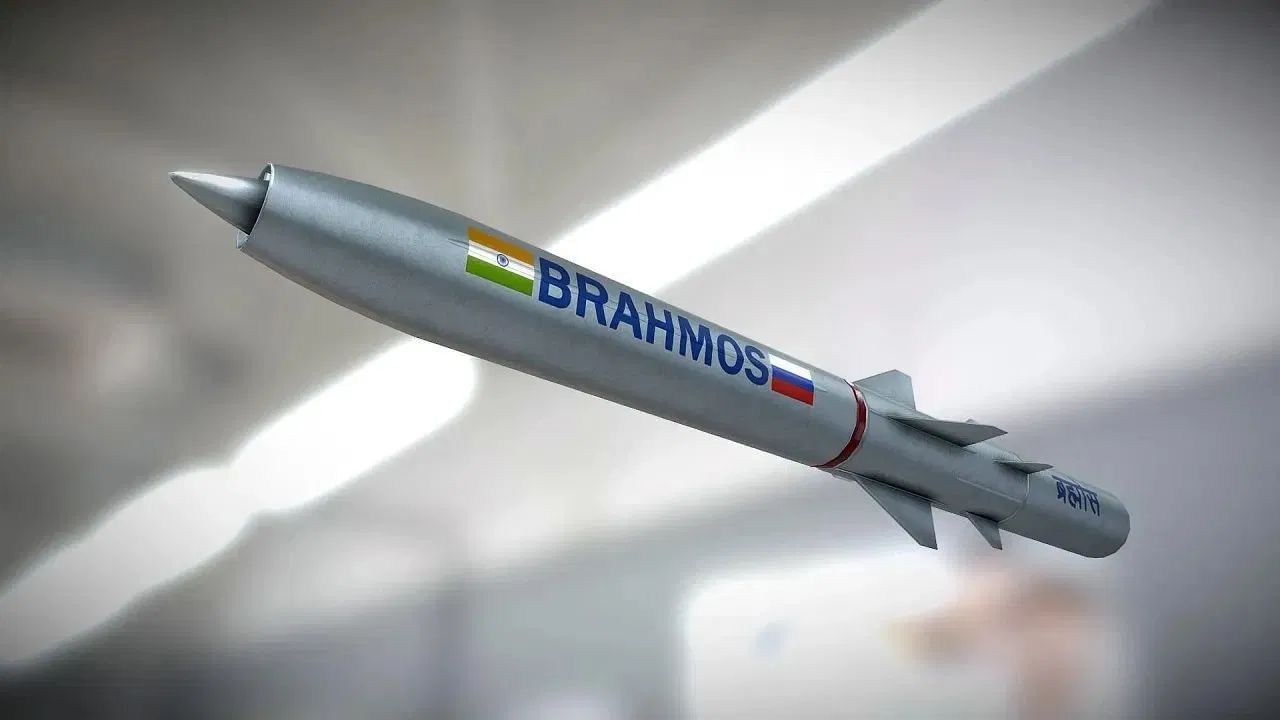
The BrahMos, India’s most formidable supersonic cruise missile, is evolving. BrahMos Aerospace is preparing to increase production and exports. The new BrahMos-NG (Next Generation) missile is anticipated to enter the testing phase by 2026. Notably, Russia has expressed interest in integrating this missile into its armed forces.
Collaboration between India and Russia aims to reduce missile costs, accomplished by enhancing factory capacity. Russia may procure BrahMos missiles for its military operations. The operational effectiveness and accuracy displayed by BrahMos during Operation Sindoor has also played a role in Russia’s interest in procuring the missile.
In the last 25 years, approximately 1,000 BrahMos missiles have been manufactured, averaging about 25 units per year. This limited production has contributed to higher costs. Increased production is projected to lower prices, expanding the potential for sales to additional countries.
The BrahMos-NG distinguishes itself with a lighter weight and reduced size compared to the existing BrahMos. While the standard BrahMos weighs 3,000 kg, the NG variant will weigh less than 1,250 kg. This weight reduction allows for launch from light combat aircraft such as the LCA Tejas and MiG-29. The missile will be capable of precisely striking targets up to a range of 300 km. Furthermore, it is designed for launch from land, air, and sea platforms, and is being adapted for submarine deployment.
The performance of the BrahMos in Operation Sindoor in May 2025 garnered global attention. As a result, 14 countries have shown interest. The Philippines has already acquired BrahMos missiles to bolster its naval capabilities in the face of increasing Chinese aggression.
NPO Mashinostroeyenia, a Russian company, is developing a new ramjet engine tailored for the BrahMos-NG. This engine design ensures the missile maintains its speed and lethality while reducing its overall weight.
India initiated the BrahMos-NG project in 2011, with substantial development commencing in 2017. The imminent testing phase will equip the Indian Air Force with lighter, faster, and more advanced weaponry, enhancing India’s defense capabilities, and positioning India as a key player in the global arms export market.