

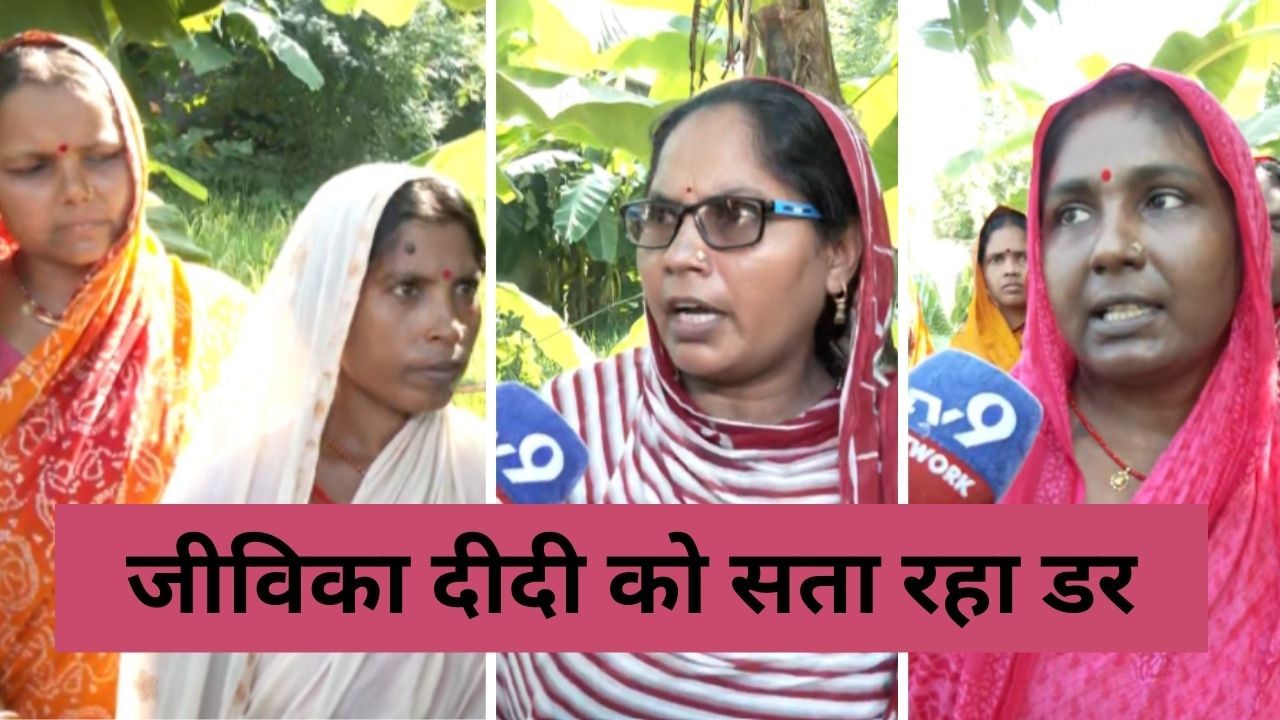
The upcoming Bihar assembly elections have intensified the focus on the women’s vote, leading all political parties to prioritize this segment. The current administration is working to financially empower women, distributing ₹10,000 each to numerous women associated with the Jeevika project as a measure to bolster their financial standing. However, many of these women are experiencing distress, fearing the government aid will be seized by loan recovery agents.
Despite the government’s perspective of this as a welfare initiative, the on-the-ground reality is starkly different. In Kinaru village, Muzaffarpur district, women associated with Jeevika are burdened by debt, struggling with loan interest payments, and now fear that the ₹10,000 aid will be taken by bank recovery agents, who have indicated it must be used for loan repayment.
Similar difficulties are common. Muneja Khatoon highlights that women borrow from neighbors to repay Jeevika loans, due to persistent harassment by recovery agents. Savita Devi recounts the double debt burden her family faces and the constant pressure from recovery agents.
This issue isn’t confined to Kinaru; Rekha Devi points out that the loan amount received is often less than what was initially requested, and sometimes, the debt exceeds the initial proposal. Some families have had to leave the village because of their inability to repay their loans, and some women have reported the dire consequences of this, including suicide.
The government has invested ₹40,000 crore in the Jeevika project, benefiting 1.3 crore women. Microfinance companies have disbursed approximately ₹50,000 crore in loans. A critical question is how the government will address the problems of these women, who are considered a key voter base.