

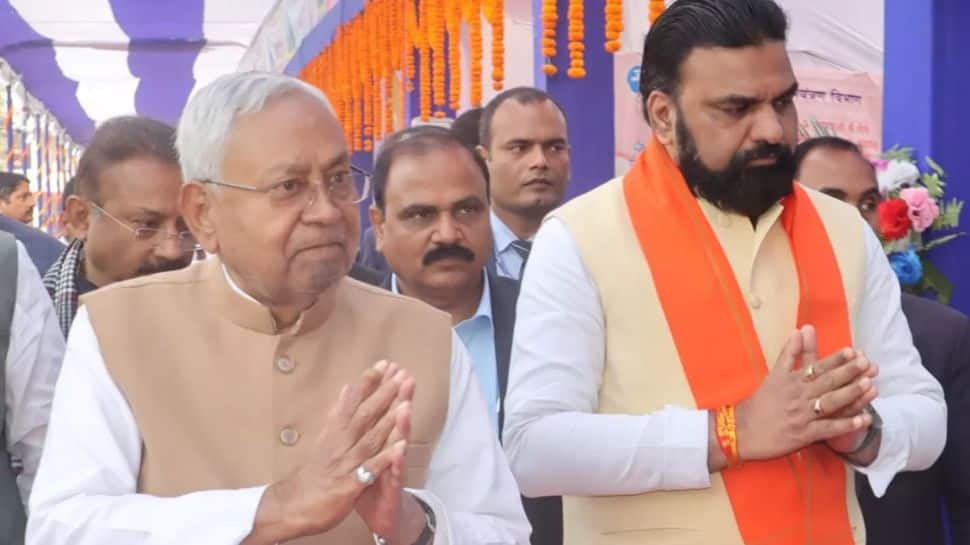
In a pivotal shift within Bihar’s new administration, Chief Minister Nitish Kumar has relinquished the Home Department, a portfolio he has personally held for the past two decades. This significant change sees Deputy Chief Minister Samrat Choudhary of the Bharatiya Janata Party (BJP) taking charge of this critical ministry.
The realignment within the ruling National Democratic Alliance (NDA) sees the BJP gain control of the Home Department, while the JD(U) secures key economic portfolios like Finance and Commercial Taxes. BJP leaders have framed this as a “rebalancing of power” within the coalition, reflecting the party’s greater number of seats in the assembly.
Party insiders from the JD(U) maintain that Nitish Kumar’s overarching leadership remains intact and that the government’s focus on law and order, a signature issue for the JD(U), will continue unabated. Complementing this, a BJP minister assured adherence to the rule of law, highlighting the trust vested in them by the Chief Minister.
Nevertheless, analysts and observers suggest that this move significantly curtails Nitish Kumar’s direct administrative grip. The Home Department, responsible for policing and internal security, will now largely operate under Choudhary’s purview. The Chief Minister’s involvement will be restricted to resolving disputes or disagreements that escalate from within the department, thus altering his direct command structure.
This development is amplified by Bihar’s existing administrative framework, where police powers are separate from magisterial authority—a structure that has historically resisted reform. The change means Nitish Kumar will no longer receive files in his dual capacity as Home Minister and Chief Minister, streamlining his administrative workflow but also reducing his granular oversight of the Home Department, a position of immense power he has held consistently for twenty years.