

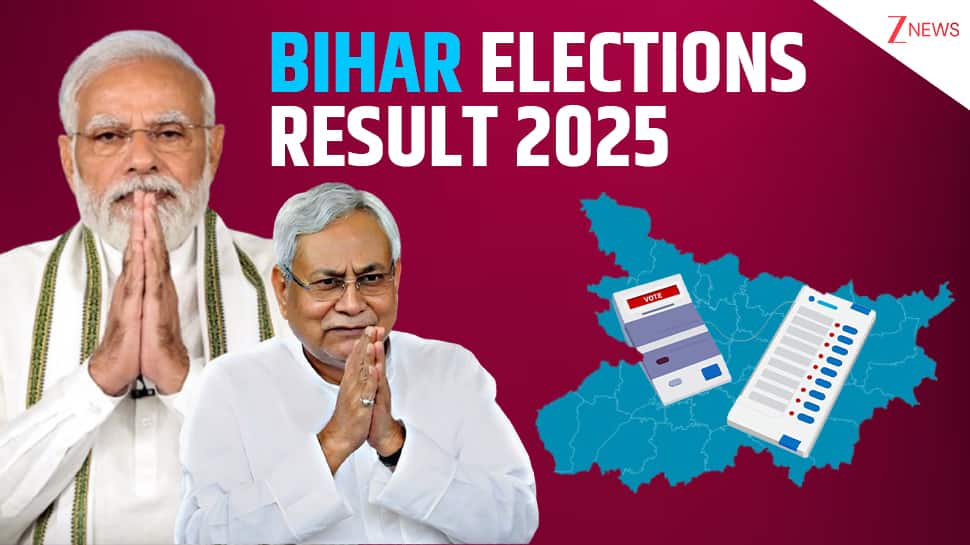
The National Democratic Alliance (NDA) has celebrated a resounding victory in Bihar, significantly altering the state’s political trajectory and delivering a heavy blow to the Rashtriya Janata Dal-Congress alliance. The anticipated close contest, shaped by anti-incumbency sentiment against Nitish Kumar, dissolved into a clear rout for the Mahagathbandhan. This outcome underscores deeper political dynamics that have been unfolding across the country for months.
The RJD-Congress combine entered the Bihar election with what appeared to be improved preparation, buoyed by Rahul Gandhi’s ‘Vote Adhikar Yatra’ and Tejashwi Yadav’s intensive campaign efforts. Both leaders projected a more seasoned and confident front against the ruling BJP-JD(U) partnership. However, their campaign’s impact was ultimately limited.
Lingering questions remain about the Congress party’s decision not to clearly designate Tejashwi Yadav as the chief ministerial face, possibly creating an impression of strategic disunity. Prime Minister Narendra Modi effectively leveraged voter concerns by warning of a return to the ‘Katta Raj’ and ‘Jungle Raj’ periods associated with Lalu Prasad Yadav, a message that resonated powerfully despite the RJD’s efforts to keep its leader from the political spotlight.
The underlying narrative for Bihar’s results began to take shape in Haryana. In a surprise turn, the BJP secured victory there, a result many attributed to the Congress’s failure to capitalize on a strong position. This unexpected success was followed by a similarly dominant performance by the NDA in Maharashtra’s assembly elections, held just months after a less favorable Lok Sabha showing. The trend continued with decisive wins for the NDA in Madhya Pradesh and Chhattisgarh, signaling a broader shift in electoral fortunes.
A pivotal element of this strategic shift is the widespread implementation of targeted financial aid for women voters. This approach was notably pioneered in Madhya Pradesh through the ‘Ladli Behna Yojana,’ which provided direct cash transfers to women prior to polling and had a significant electoral impact.
In Bihar, the state government’s decision to offer a substantial cash transfer to women voters shortly before the elections, coupled with enhanced subsidies for electricity and increased pensions, fundamentally altered the electoral calculus. While the Mahagathbandhan proposed similar financial incentives, the immediacy of the government’s offer proved more persuasive to voters, particularly women.
The NDA also demonstrated strategic acumen in its coalition-building efforts, bringing Chirag Paswan’s Lok Janshakti Party and Upendra Kushwaha’s Rashtriya Lok Manch into its fold. These alliances successfully consolidated support from key demographic groups, offsetting any potential losses and solidifying the NDA’s electoral base.
In contrast, the opposition’s attempts to forge a consolidated caste-based strategy faltered, failing to match the NDA’s success in unifying different blocs. The Bihar election results have dealt a significant blow to the opposition, diminishing the optimism that followed the BJP’s performance in the general elections. The opposition faces a critical juncture, needing to develop a cohesive strategy and adapt to the NDA’s increasingly effective electoral playbook. The consistent trend across recent state elections indicates the NDA has a strong understanding of the current political landscape, while the opposition is still attempting to regain its footing.