

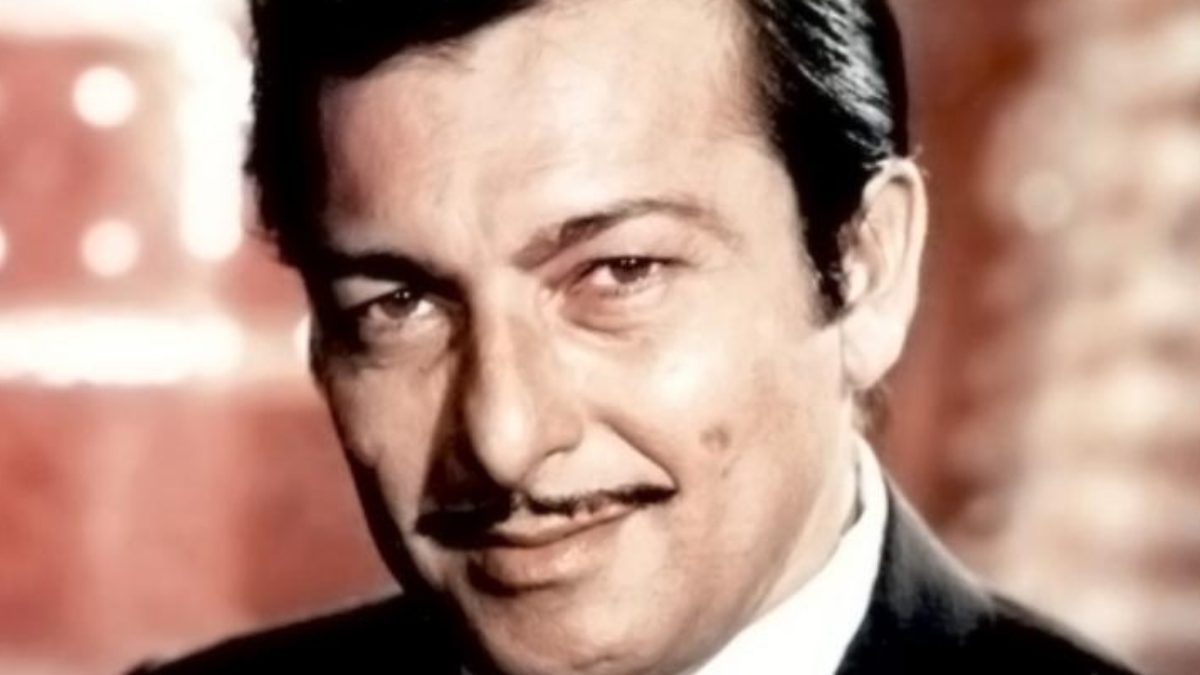
Madan Mohan, a name synonymous with musical brilliance, is remembered for his contributions that went beyond the realm of ghazals. His love songs, bhajans, and patriotic compositions have stood the test of time, solidifying his legacy. He’s not just another composer of the 1950s; his significance grows with each passing year.
His musical collaborations with Talat Mahmood, Mohammed Rafi, Manna Dey, and Asha Bhosle resulted in unforgettable songs. His innate talent allowed him to craft unforgettable melodies, as seen in Lata Mangeshkar’s renditions of ‘Aapki nazron ne samjha’ and ‘Lag ja gale.’
Singers desired to sing his songs, and Lata Mangeshkar was his preferred voice. He chose her for her ability to capture the emotional depth of his music. Their collaboration gave rise to iconic songs such as ‘Meri aankhon se koi,’ ‘Woh chup rahen to,’ ‘Zara si aahat,’ ‘Tere bin sawan kaise beeta,’ and ‘Duniya bananewale yehi hai meri iltija,’ representing creative perfection.
His preference for Lata Mangeshkar caused some degree of professional tension, however, the musical partnership between Madan Mohan and Lata Mangeshkar was undeniably special.
A considerable amount of his collaborative work with Lata Mangeshkar either remained unrecorded or was never released. Madan Mohan did not receive an award until 1971, when he won the National Award for Dastak. Madan Mohan’s attention to detail ensured that every score, song, note, and instrumentation was flawless, as showcased in his work in Jahan Ara.
His musical impact was appreciated posthumously, with his compositions in Laila Majnu achieving widespread acclaim. Madan Mohan’s work remains a timeless testament to his exceptional musical talent.