

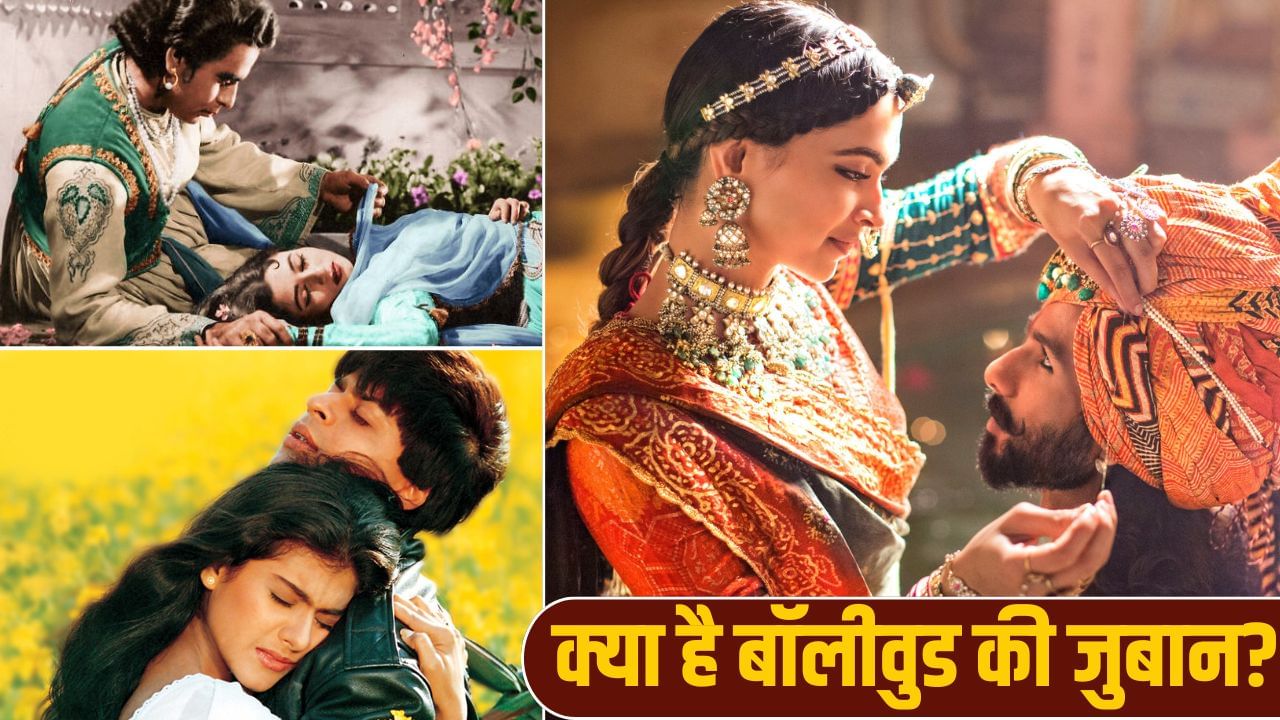
Every September 14th, India commemorates Hindi Diwas, offering a chance to examine the multifaceted nature of Hindi cinema. Commonly referred to as Bollywood, the industry’s identity is complex and cannot be reduced to a single language.
Bollywood, a blend of ‘Bombay’ and ‘Hollywood’, is often used to represent Hindi cinema. However, it is essential to recognize the influence of numerous languages and cultural elements that have shaped this industry.
Hindi films have consistently engaged audiences, leading to significant box office success. This success, however, relies on adapting to various languages and cultural nuances. Let’s consider the key contributors:
Is Bollywood exclusively Hindi Cinema?
Consider the song “Ze-Haal-e-Miskin Makun B-Ranjish, B-Haal-e-Hijraan Bechaara Dil Hai,” featured in the 1985 film ‘Ghulam’. The lyrics, inspired by the work of Amir Khusro, highlight the significant role Urdu has played in Hindi cinema. During the 1940s and 1950s, Urdu was a primary language for literature and culture, with many film songs written in Urdu. Renowned figures such as Sahir Ludhianvi and Kaifi Azmi elevated Urdu poetry within Hindi cinema.
Punjabi: Punjabi culture and language have exerted a considerable influence on Bollywood. This extends beyond popular music; Punjabi elements are woven into narratives, as showcased in films like ‘Dilwale Dulhania Le Jayenge’.
Bengali: The storytelling style and depth of Bollywood are partly rooted in Bengali cinema and literature. Filmmakers such as Satyajit Ray have influenced Indian cinema on a worldwide scale, with Bengali songs also providing inspiration.
Marathi: The location of Bollywood in Mumbai means that Marathi language and culture are also key. The contributions of Marathi actors, writers, and filmmakers are evident, and many Marathi films are remade in Hindi, with ‘Dhadak’ being one example.
English: The impact of English is increasingly visible, especially with the rise of Hinglish (Hindi and English) songs in films such as ‘Zindagi Na Milegi Dobara’ and ‘Yeh Jawaani Hai Deewani’. The influence of Hollywood storytelling techniques is also notable.
South Indian Cinema: The influence of cinema from Tamil, Telugu, Malayalam, and Kannada is extensive. Numerous South Indian films are remade or dubbed into Hindi. Examples include ‘Drishyam,’ ‘Baahubali,’ and ‘Kabali’. Additionally, songs and stories from folk languages such as Bhojpuri, Rajasthani, and Avadhi also appear on screen.
The presence of multiple languages, cultures, and dialects enriches the films. This fusion, ranging from music and dance to storylines, contributes to Bollywood’s appeal. Whether termed Bollywood or Hindi cinema, this industry thrives due to its inclusive nature.
Insights on Transformation
Journalist Chaitanya Padukone highlights the fact that Bollywood’s language extends beyond Hindi, incorporating Hindustani, which blends Hindi and Urdu. Urdu words such as ‘Ishq,’ ‘Mohabbat,’ ‘Junoon,’ ‘Fitoor,’ and ‘Zubaan’ enhance narrative depth and romantic scenes. He also points to the importance of Punjabi, with its influence visible in popular music and dialogue, underscoring Bollywood’s diverse linguistic landscape.