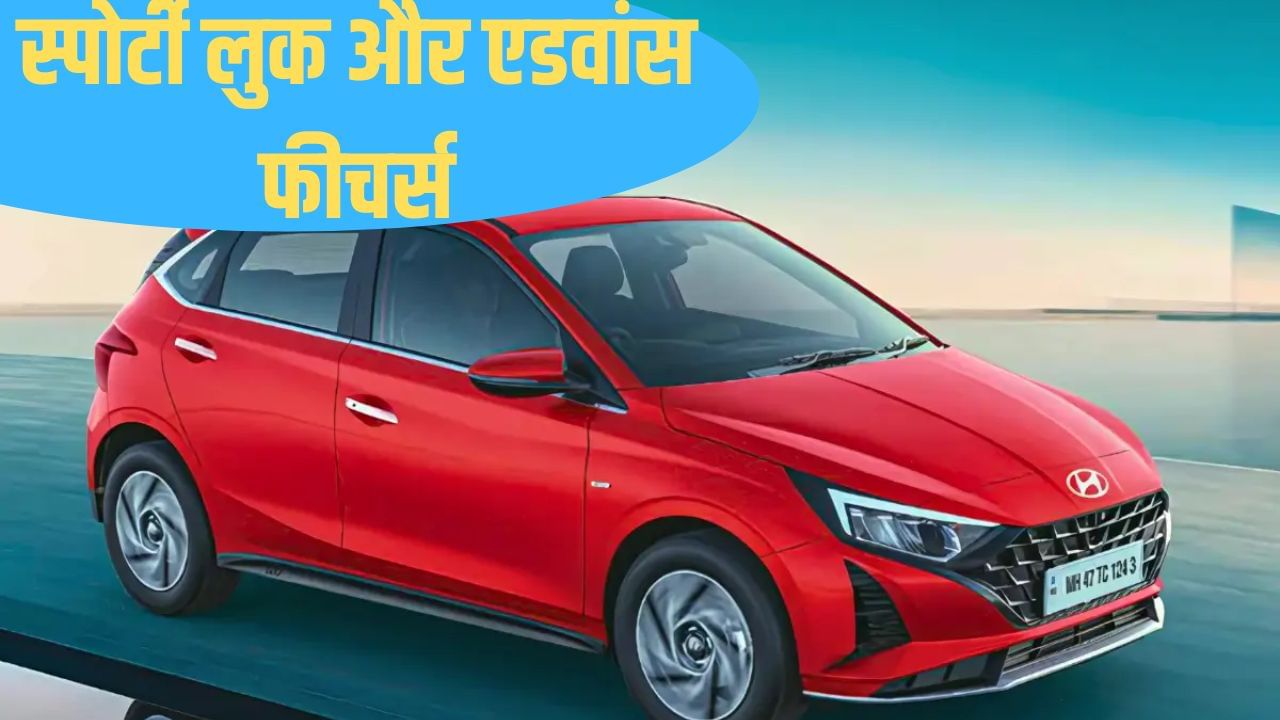

The Hyundai i20, which debuted in India in 2008, is set to receive a generational upgrade, with previous updates in 2014 and 2020. The hatchback, known for its stylish appearance, premium interior, and versatile engine options, is now targeting a resurgence in the small car market. Currently undergoing testing, the fourth-generation Hyundai i20 has been observed on the roads of Gurugram, Haryana. The 2026 Hyundai i20 is expected to retain its core design while incorporating Hyundai’s latest design elements. This might involve a completely new front fascia and redesigned alloy wheels. New color options could also be included in the hatchback lineup. Inside, the new i20 is expected to feature a redesigned dashboard and a 10.2-inch dual TFT cluster. To enhance its market appeal, Hyundai might equip the car with features such as ventilated front seats, a 360-degree camera, and other high-end features. Engine specifications are likely to remain consistent with the current model. The 2026 Hyundai i20 will probably offer the 1.2-liter naturally aspirated petrol and 1.5-liter diesel engines, along with various transmission choices. The performance-focused i20 N Line variant will continue to feature the 1.0-liter turbo petrol engine, available with a 6-speed manual or a 7-speed DCT automatic gearbox. The price of the new Hyundai i20 is projected to see a minor increase from the current model, potentially priced between ₹6.87 lakh and ₹10.43 lakh (ex-showroom). The car is designed to directly compete with the Maruti Baleno.