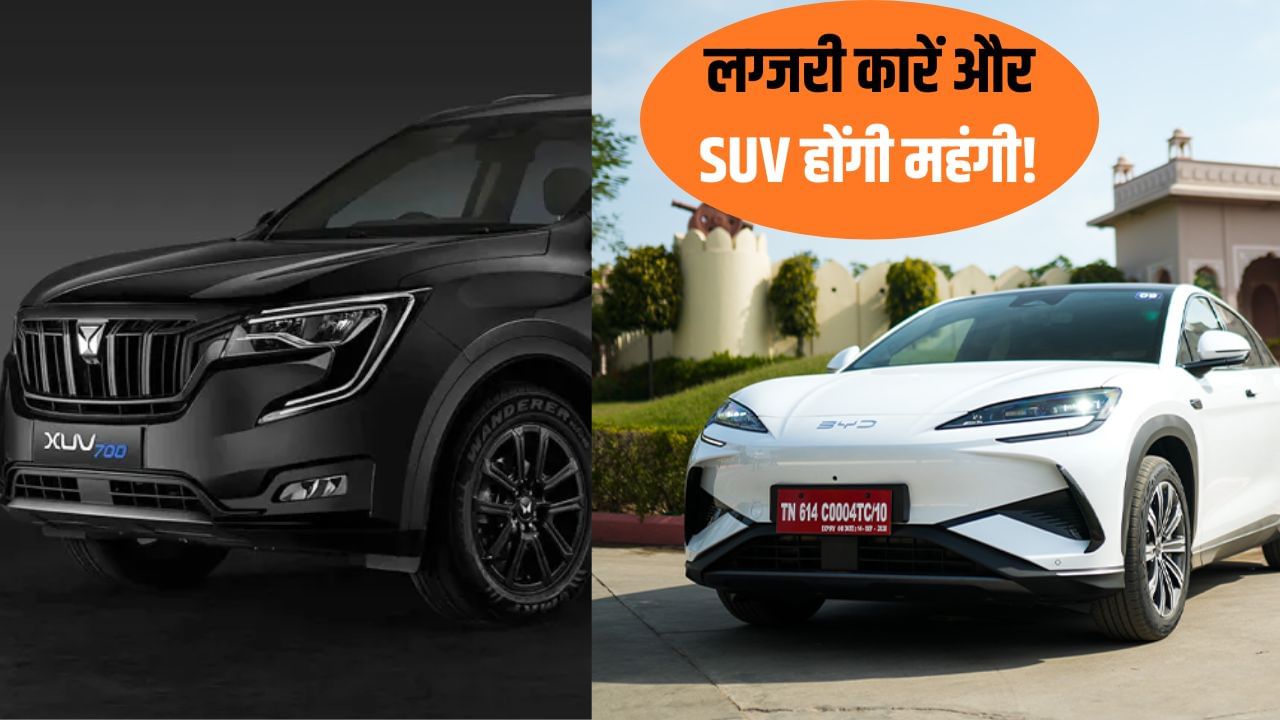

The recent implementation of GST reforms, following the announcements made last month, is reshaping the automotive market. The 56th GST Council meeting led to the abolition of the 12% and 28% tax slabs, resulting in a simplified tax structure of 5% and 18%. This modification will have a direct influence on vehicle pricing. The new system is creating shifts in the automobile industry. Buyers of smaller petrol and diesel cars are seeing some relief, whereas the prices of luxury and high-end electric vehicles are poised to increase. One of the most significant benefits of GST 2.0 is the potential for savings on smaller vehicles. Cars shorter than four meters, including those with engines up to 1200cc (petrol) and 1500cc (diesel), will become more affordable. However, if you are planning to buy a new SUV or a premium sedan, you may need to increase your budget. Under the new system, vehicles longer than four meters and with engines exceeding 1200cc (petrol) or 1500cc (diesel) are classified under the luxury category, which attracts a 40% GST. This includes vehicles like SUVs, MUVs, MPVs, or XUVs that are longer than 4000mm and have a ground clearance of 170mm or higher.