

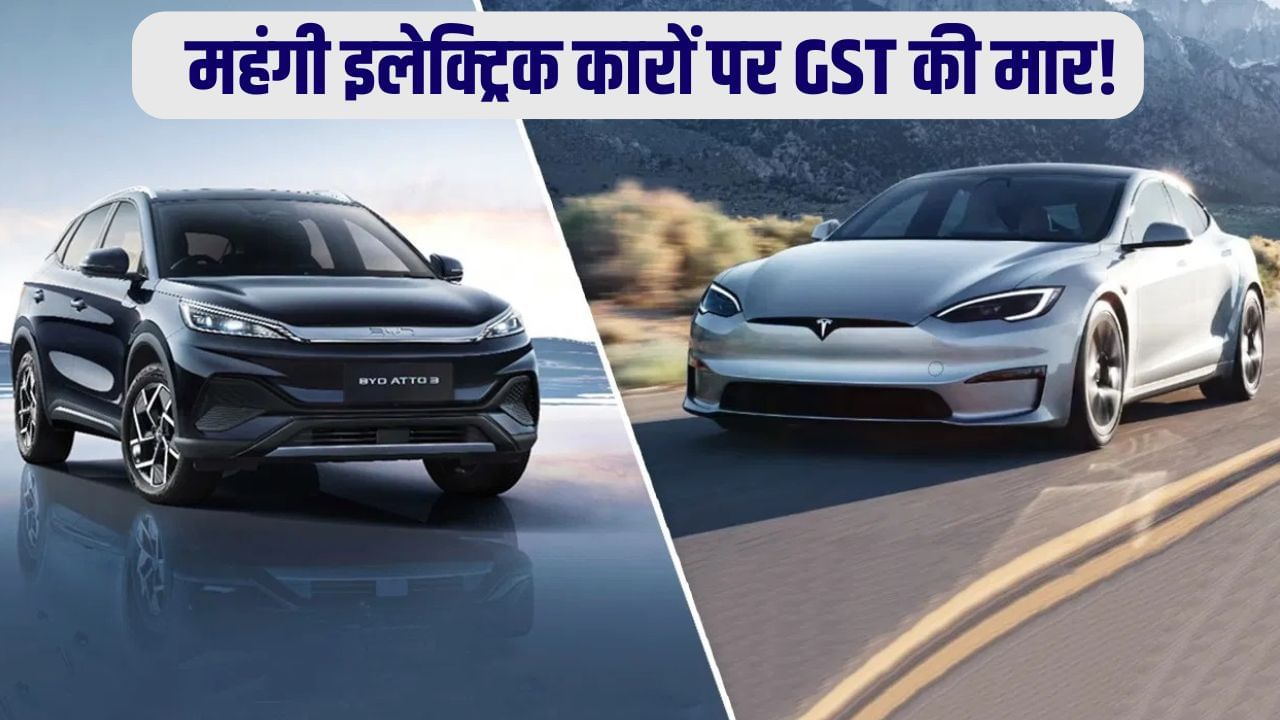
India’s electric vehicle (EV) sector is poised for potential upheaval as tax authorities consider altering the GST structure. A tax panel has advised on modifications that could substantially raise the price of EVs, particularly those in the luxury segment.
The recommended changes propose differential GST rates based on vehicle price. EVs priced under ₹40 lakh could see their GST increase from 5% to 18%, potentially resulting in a price hike of up to ₹7.20 lakh. Vehicles priced above ₹40 lakh are proposed to be taxed at 28%, which could lead to a price increase of up to ₹14 lakh.
The GST Council, including the Finance Minister and representatives from all states, will deliberate on this proposal during its meeting on September 3rd and 4th, making the final decision.
While still nascent, the Indian EV market is rapidly expanding. EVs currently constitute a small portion of overall car sales but are experiencing significant growth. The initial 5% tax rate was intended to encourage EV adoption. The panel now considers it important to implement differentiated tax rates on more expensive vehicles.
Domestic automakers like Mahindra and Tata Motors are likely to face limited impact due to the pricing of their EV models. However, international companies could experience greater challenges. Companies such as Tesla, Mercedes-Benz, and BMW could see sales slow.
Tata Motors currently leads the Indian EV market. The proposed changes could influence consumer behavior and reshape market share dynamics. Elon Musk has previously criticized import duties in India, and if the GST increases, it could make the business environment more challenging for companies like Tesla.