

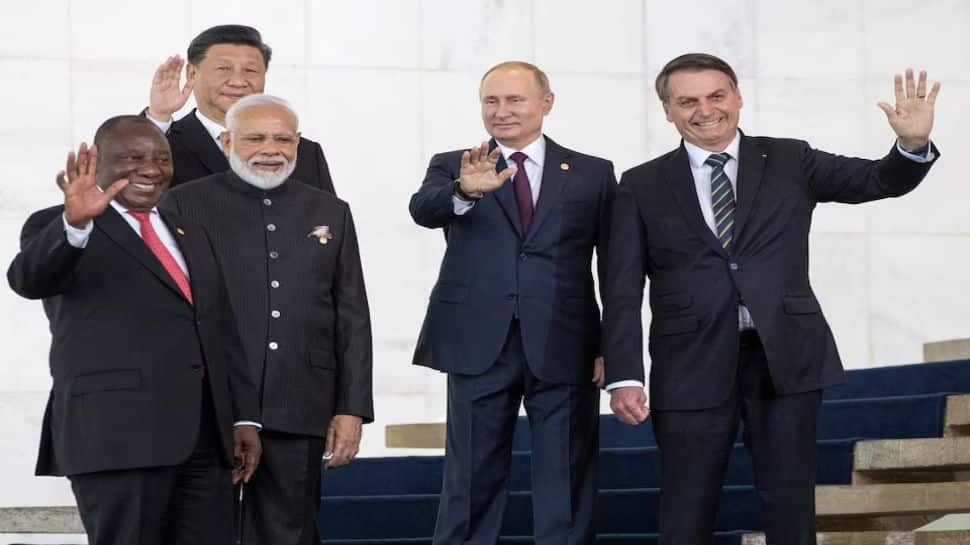
With India set to lead BRICS starting in 2026, the bloc is poised for an expanded role on the international stage. A confluence of factors, including recent US policies that have pushed India, Russia, and China into closer alignment, has elevated BRICS as a crucial global forum. The substantial economic and strategic weight of this bloc was highlighted by previous threats of significant tariffs from the US.
BRICS nations are significantly bolstering their cooperation in the agricultural sector, recognizing food security as a vital strategic priority for the Global South. Efforts are underway to enhance agricultural trade, facilitate technology transfer, promote climate-adapted farming techniques, and strengthen entire value chains. This concerted approach is predicted to present a notable challenge to American global influence in the coming years.
The combined economic and resource power of the 11-member BRICS bloc is profound. Reports indicate that BRICS countries collectively produced around 42% of the world’s crude oil in 2024. Their gold reserves are also substantial, accounting for approximately 20% of global holdings, with China and Russia possessing a significant share of central bank reserves. Economically, BRICS represents roughly 29% of global GDP, a figure bolstered by the economic expansion of its member states and the integration of new partners, thereby increasing the bloc’s overall financial leverage.
In a move that could reshape international trade dynamics, India has officially permitted BRICS nations to conduct 100% of their bilateral trade in Indian rupees. This directive, issued in August, aims to circumvent the US dollar and foster deeper economic integration within BRICS. The Reserve Bank of India’s facilitation of dedicated vostro accounts for this purpose is expected to significantly ease rupee-based transactions and potentially accelerate the erosion of dollar dominance.
BRICS countries are also actively working towards establishing an independent payment system independent of the US dollar, a strategic objective deemed highly achievable and a top priority for the bloc. This development, which has been progressing under Brazil’s leadership, signals a determined effort to reduce reliance on Western financial infrastructure. Meanwhile, India’s continued commitment to importing Russian oil, even from non-sanctioned suppliers at discounted rates, underscores the strength of their energy relationship and its potential to maintain significant supply levels, possibly reaching one million barrels daily, despite external pressures.