

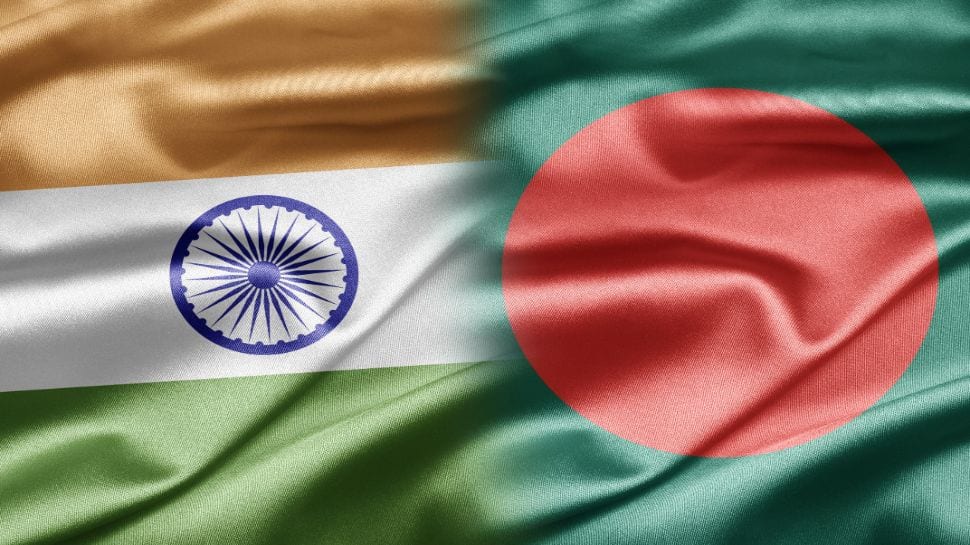
Bangladesh’s economic stability and the daily lives of its citizens are heavily reliant on a steady stream of essential goods imported from India. This vital trade partnership, characterized by geographical proximity and favorable costs, means that any interruption to Indian supplies could lead to significant economic fallout and potential shortages across the nation.
The range of critical imports from India is broad, encompassing basic food staples such as wheat, rice, sugar, onions, potatoes, garlic, spices, fruits, and vegetables, all crucial for maintaining food security. In the industrial sphere, Bangladesh depends on India for cotton, a key raw material for its vast garment manufacturing sector. Furthermore, the country imports refined petroleum products, plastics, steel, and vital electrical equipment necessary for its manufacturing, construction, and energy sectors. India also plays a pivotal role in supplying medicines and medical supplies, bolstering Bangladesh’s healthcare infrastructure.
The immense shared border facilitates rapid and cost-effective transit of goods, establishing India as Bangladesh’s most convenient and economical trading partner for many categories. This logistical advantage is a core reason for the deep trade interdependence, with India’s exports to Bangladesh significantly outweighing Bangladesh’s exports. This reliance has been further emphasized by global supply chain volatilities, reinforcing the strategic importance of the India-Bangladesh trade route.
Despite other major trading partners like China, none can match India’s ability to deliver essential goods with the same speed and at comparable costs. This unique supply chain dynamic is fundamental to Bangladesh’s economic health, influencing inflation, job creation, and GDP growth. While diplomatic tensions can arise, and recent events like visa center closures have occurred, a complete disruption of Indian supplies would represent a severe crisis for Bangladesh. The current scenario underscores the indispensable nature of Indian imports for the country’s sustained development and stability.