

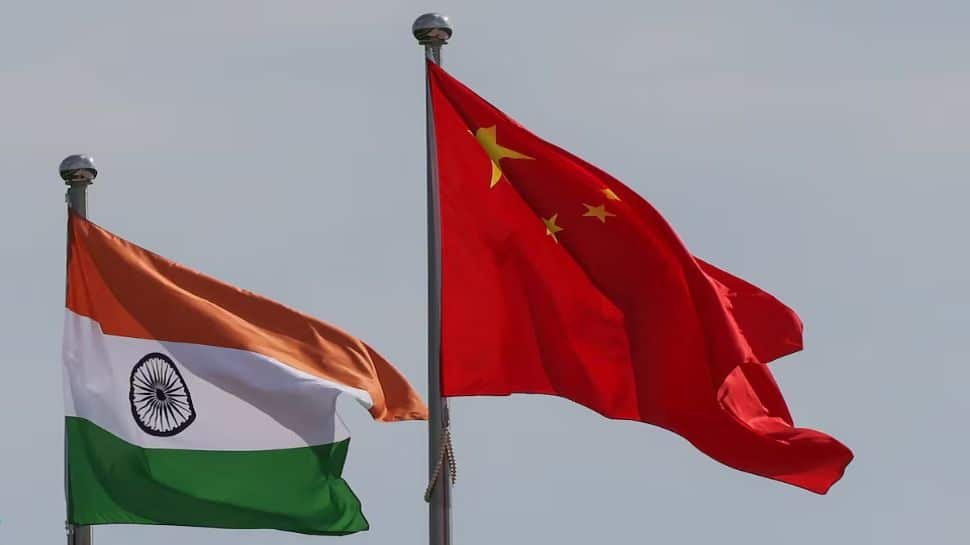
A comprehensive report from the US Department of Defense suggests that China might be implementing a deliberate border strategy with India. The assessment, titled ‘Military and Security Developments Involving the People’s Republic of China 2025,’ posits that Beijing is leveraging a recent de-escalation along the Line of Actual Control (LAC) to stabilize its relationship with New Delhi. Concurrently, this approach appears intended to slow the deepening strategic partnership between India and the United States.
The report highlights that troop withdrawals from tense LAC points were agreed upon by India and China in October 2024, preceding a meeting between Prime Minister Narendra Modi and President Xi Jinping at the BRICS summit. Since then, the document notes a resurgence of high-level interactions focused on border management and the future direction of bilateral ties.
These engagements have reportedly covered a range of measures to improve connectivity and exchange, including the resumption of direct flights, the easing of visa norms, and increased interactions between academic and journalistic circles. The Pentagon interprets these developments as China seeking to gain an advantage from a less volatile border, potentially to limit the growth of Indo-US relations.
Despite these overtures, the assessment acknowledges India’s inherent cautiousness towards China’s intentions. The report anticipates that existing mistrust and unresolved differences will continue to define the boundaries of the bilateral relationship. Nonetheless, significant steps toward normalization have been taken, especially since last October, including the resumption of tourist visas and efforts to boost people-to-people contact, such as the revival of the Kailash Mansarovar Yatra and direct air services.
The Pentagon report also outlines China’s ambitious long-term strategy for national rejuvenation by 2049, which entails expanding its global footprint and military capabilities. This strategy is anchored in defending its “core interests,” which include territorial claims, such as those pertaining to Arunachal Pradesh.
Regarding the Indo-Pacific, the US strategy, as detailed in the report, prioritizes maintaining regional stability and deterrence through strength. The US seeks to ensure a balance of power, rather than containment, to foster an environment of fair trade and respectful interstate relations.