

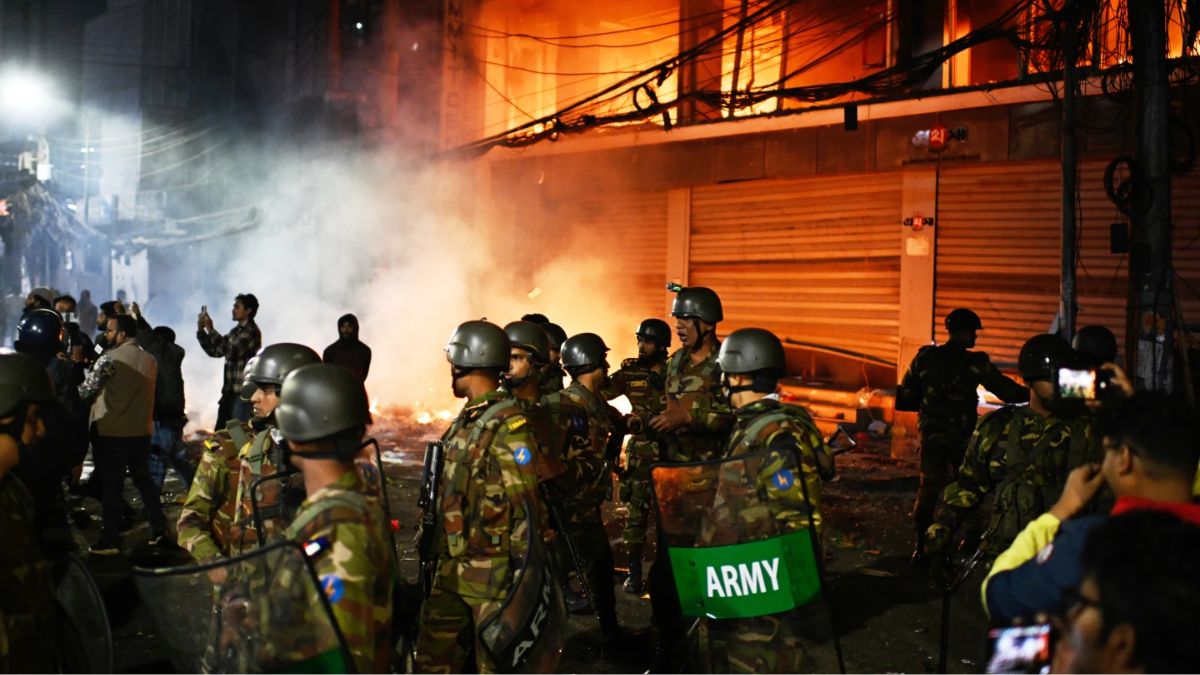
The political landscape of Bangladesh is volatile following the death of student leader Sharif Osman Hadi, whose activism was marked by strong opposition to Sheikh Hasina and her Awami League party. Hadi, a key organizer of the July uprising that removed Hasina from power, succumbed to injuries sustained from a gunshot wound on December 18, 2025.
The 32-year-old activist, associated with the Inquilab Mancha group which promotes anti-India sentiment, was shot in the head during election campaigning for the February polls. He received critical care in Singapore after initial treatment in Dhaka, but ultimately passed away.
Singapore’s Ministry of Foreign Affairs confirmed Hadi’s death, highlighting the extensive medical efforts undertaken. His demise has catalyzed widespread demonstrations and heightened political tensions nationwide.
Hadi’s platform included strong criticism of the Awami League and plans to contest elections. However, his party has reportedly been disallowed from participating in the upcoming general elections by the Yunus-led government.
The Yunus administration has launched a murder investigation, vowing to bring the perpetrators to justice. “We shall again defeat those who tried to silence his voice and instil fear among the revolutionaries,” Yunus proclaimed, declaring a day of state mourning.
In connection with the killing, the family of the main suspect, Foysal Karim Masud, has been taken into custody. Separately, some of Hadi’s supporters have accused India of orchestrating his death and claimed the assassins escaped to India, leading to demands for the closure of the Indian High Commission in Dhaka.
Protests have included anti-India slogans and attacks on the Awami League’s office. Questions have been raised about the current government’s role in the reported increase of Islamist influence within the country.