

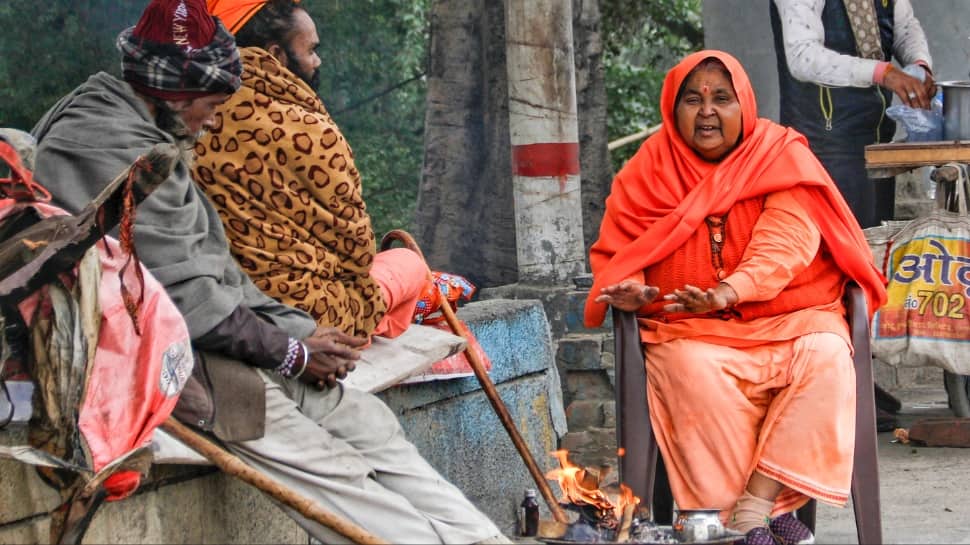
India is currently enduring a severe cold snap, with the India Meteorological Department (IMD) issuing widespread alerts. A yellow alert has been declared for cold wave conditions in Punjab and Jharkhand, signaling a significant chill across northern and eastern parts of the country. Temperatures have plunged into the 0-10 degree Celsius range in many states, disrupting normal life, while the Himalayas are preparing for fresh snowfall.
The Kashmir Valley is experiencing its coldest weather of the season, with Srinagar recording a frigid -4 degrees Celsius on Thursday. The IMD predicts continuing freezing nights and dense fog in early December, exacerbating the severe cold.
Himachal Pradesh is expected to see rain and snow in its higher mountain regions due to a Western Disturbance. Temperatures have dropped drastically, with Tabo at -7.4 degrees Celsius and Kukumseri at -4 degrees Celsius. Snowfall is predicted around December 7, followed by clearing weather. The Bhakra Dam region is also under a yellow alert for dense fog.
Across the North Indian plains, cold wave conditions are intensifying. Punjab’s day temperatures are significantly below average, with Adampur recording a minimum of 3.0 degrees Celsius. The IMD’s yellow alert for Punjab covers eight districts and warns of a cold wave. Light to moderate fog is anticipated in Punjab, Haryana, and West UP over the next couple of days.
Jharkhand is now facing the brunt of the cold wave, with a yellow alert issued for multiple districts for the upcoming 48 hours. Northwesterly winds are causing temperatures to plummet, with Gumla reporting 5.9 degrees Celsius and Daltonganj 8.6 degrees Celsius. Temperatures are expected to drop further, potentially reaching 4 degrees Celsius in the next few days.
Dense fog is also forecast for parts of Northeast India. The IMD forecasts that cold conditions will intensify across much of India as a fresh Western Disturbance impacts the Himalayas. The southern regions of India are expected to remain dry. Health advisories are in place, urging citizens to wear warm clothing and take protective measures against the extreme cold, particularly for vulnerable populations.