

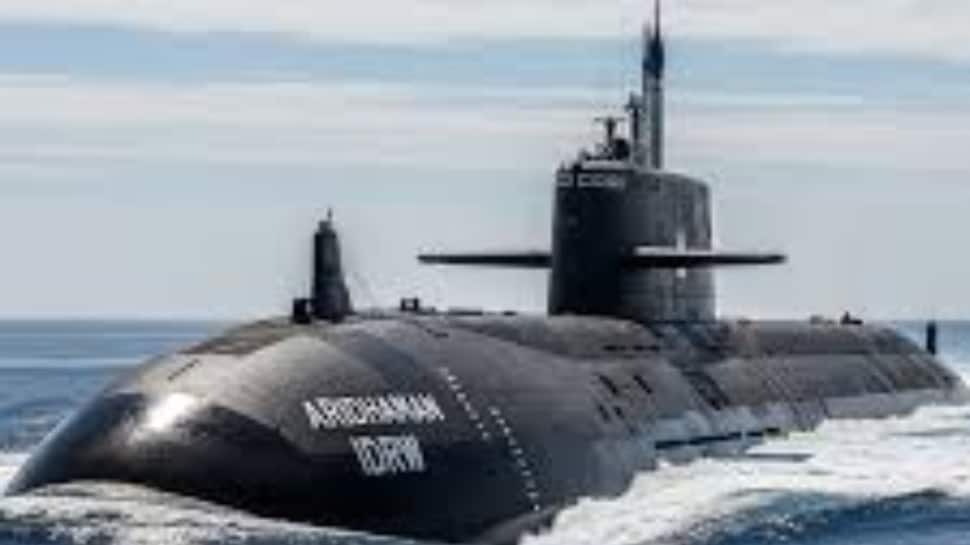
India’s strategic naval power is set for a significant enhancement with the impending commissioning of INS Aridhaman, its third indigenously built nuclear-powered ballistic missile submarine (SSBN). Navy Chief Admiral Dinesh Tripathi has indicated that the submarine’s induction is imminent. This key development follows the commissioning of INS Arighaat, the second SSBN, in August, and is poised to complete India’s sea-based nuclear triad capability by ensuring three operational ballistic missile submarines are available at sea.
INS Aridhaman is a product of the long-standing, highly classified Advanced Technology Vessel (ATV) project, initiated in the 1990s with significant financial investment. Currently undergoing advanced sea trials, this new SSBN is technologically superior and larger than its predecessors, with an estimated displacement of 7,000 tonnes. A primary advantage of its increased size is the enhanced capacity to carry long-range K-4 nuclear missiles. This amplified payload directly contributes to widening India’s strategic strike options and improving the survivability of its nuclear deterrent, a core tenet of its ‘No First Use’ policy. The naval expansion strategy also includes a fourth SSBN currently in construction, further fortifying India’s strategic deterrence.
The commissioning of INS Aridhaman is a testament to India’s growing self-reliance in advanced defense technologies. However, in the global arena, its SSBN fleet is still maturing when compared to established nuclear naval powers. Nations like China possess larger SSBNs, and the United States operates a considerably larger fleet of similar submarines. The continuous deployment of advanced, domestically produced platforms such as INS Aridhaman reinforces India’s dedication to possessing a credible minimum nuclear deterrent, vital for fostering strategic stability within the complex and often volatile Indo-Pacific region.