

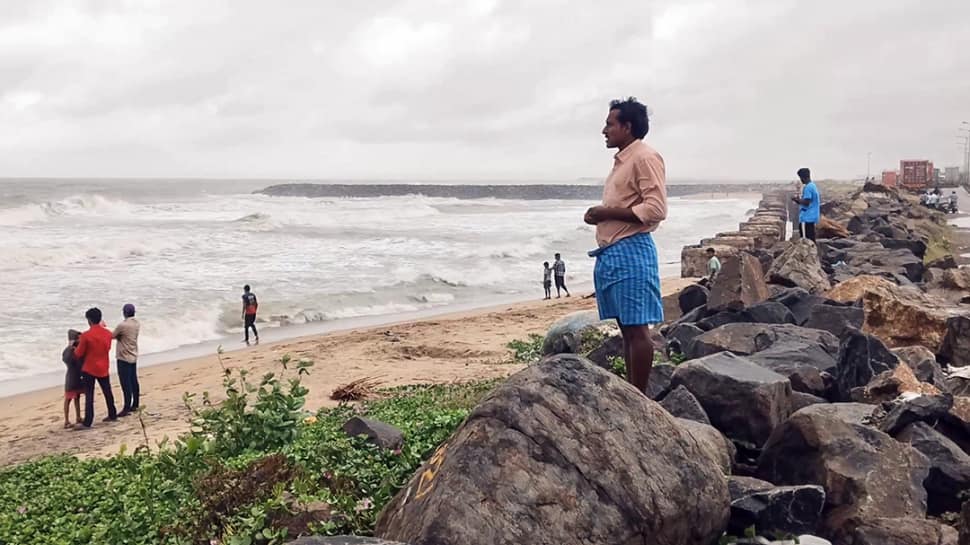
A significant shift in weather patterns has occurred as Cyclone Ditwah has weakened into a deep depression, moving parallel to the Tamil Nadu coast. While this offers relief from the threat of extremely heavy rainfall for parts of Tamil Nadu, the aftermath in Sri Lanka remains dire, with the death toll now confirmed at 334 and many still missing.
The Sri Lankan government has declared a State of Public Emergency to manage the disaster response, assuring that civil liberties will not be compromised. President Anura Kumara Dissanayake has described the situation as the nation’s worst natural catastrophe and vowed complete state backing for relief and reconstruction. Top priority is being given to re-establishing essential services like power, water, and communication systems that were crippled by the storm.
Indian disaster response teams are actively collaborating with Sri Lankan forces to provide aid. Their efforts include rescuing stranded individuals and delivering vital supplies to those affected by the widespread flooding and damage. Despite coordinated efforts, restoring communication in severely impacted areas presents an ongoing challenge.
In light of adverse weather forecasts, Puducherry has mandated the closure of all schools, both government-aided and private, for Monday, December 1st. Similarly, schools in Nellore and Annamayya districts of Andhra Pradesh will be closed. The Regional Meteorological Centre reported significant rainfall in Karaikal and Sembanarkovil. The deep depression is expected to weaken further, with forecasts predicting light to moderate rain and thunderstorms across Tamil Nadu and Puducherry, including isolated heavy showers in parts of Tiruvallur. Chennai anticipates cloudy weather with scattered showers.