

Even minor peaceful gatherings in China’s major cities, such as Shanghai, are swiftly dispersed, and these crackdowns send ripples across the country, impacting remote regions like Xinjiang and Tibet. When authorities suppress public expression in a prominent urban center, it serves as a potent reminder to ethnic minority communities that the state’s intolerance for dissent is absolute, transcending geographical and ethnic boundaries.
While regions with significant ethnic minority populations have long endured stringent controls, the way civic expression is managed in China’s more cosmopolitan coastal cities exacerbates an already pervasive climate of apprehension. For Uyghurs, Tibetans, and Mongolians, incidents occurring in cities like Shanghai act as a clear warning: the limits imposed by the system are universally applied, and any attempt at voicing concerns, however subdued, carries considerable risk.
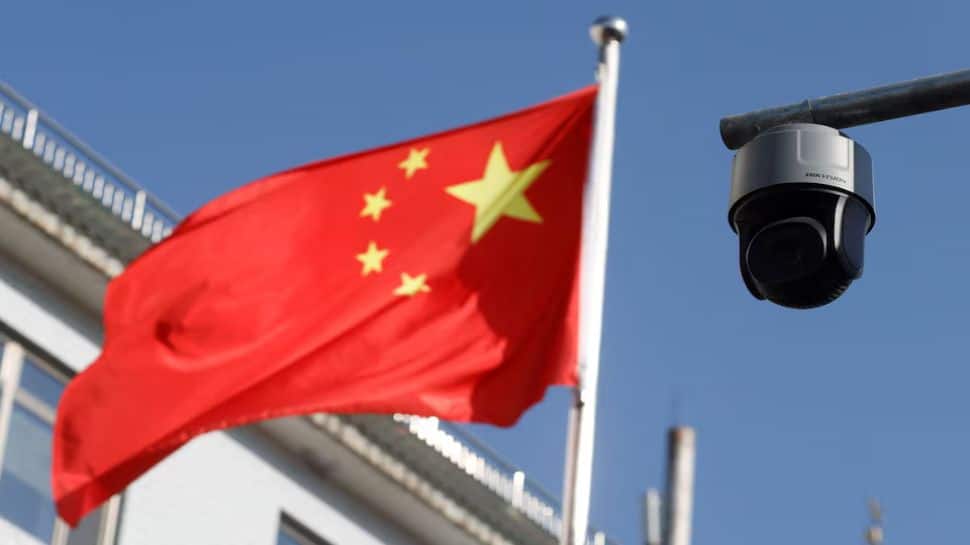
The pattern of state control is consistent and far-reaching. Restrictions on minority populations are extensively documented, including widespread surveillance networks, numerous checkpoints, and severe limitations on cultural and political expression. Families in Xinjiang have lived for years under intense scrutiny, where even everyday activities are assessed through the lens of maintaining ‘social stability.’
When public expression is curtailed in Shanghai, a city with a significant international presence, foreign media, and numerous diplomatic missions, minority groups observe the state’s response very closely. The underlying logic is straightforward: if peaceful assemblies are deemed unacceptable in a global financial hub, they are considered even less permissible in regions already classified as ‘sensitive.’ This reinforces the conclusion that any form of unapproved expression, irrespective of its local nature or moderate intent, is viewed by the state as unacceptable.
Crucially, the method of enforcement often proves more influential than the event itself for minority groups. Authorities intervene early, discreetly, and systematically. Participants might be contacted later, questioned, or even briefly detained. This absence of public confrontation does not diminish the impact; instead, it intensifies the sense that actions are being taken out of sight but remain firmly within the state’s pervasive reach.
This approach mirrors the long-established practices observed in regions like Xinjiang, where residents are accustomed to being questioned about their travel, conversations, and social gatherings. When similar patterns emerge in Shanghai, it signals that the mechanism of control is not geographically confined but rather a comprehensive, nationwide framework.
Conversations with exiled members of minority communities consistently reveal a trend: relatives remaining within China adopt more cautious behaviors following reports of crackdowns in major cities. This increased vigilance manifests in various ways, such as avoiding group gatherings at religious or cultural events, minimizing contact with friends or relatives perceived as critical, reducing online activity even on private messaging platforms, and abstaining from participation in community traditions that involve collective interaction.
These behavioral adjustments stem from a profound understanding that state surveillance extends beyond explicit political discourse. Social interactions themselves can attract official attention if they are perceived as potentially evolving into organized collective action. Consequently, the flow of information within minority communities becomes further restricted. In an environment already characterized by scarce information and limited communication channels, crackdowns in major cities often lead to intensified nationwide online surveillance, particularly affecting regions with large minority populations.
For those outside China attempting to maintain connections with family, communications become shorter and less frequent. Conversations tend to focus on neutral topics, driven by an heightened fear of surveillance and a deliberate avoidance of any references to local conditions. Each new instance of civic suppression in a major city reinforces this tendency, contributing to a shrinking sense of personal safety and freedom.
While the specific circumstances in Shanghai and Xinjiang differ dramatically, the fundamental message conveyed by the state’s response is consistent: public expression must align rigidly with official expectations. This message gains significant weight when it emanates from a city typically perceived as open and internationally engaged. For minority groups, this phenomenon further erodes any remaining space for personal expression, fostering a pervasive feeling that daily life requires constant caution, with speech, movement, and association being narrowly defined by what the state deems acceptable.
The broader consequence of these crackdowns is profound. While international rights organizations and foreign governments monitor these events, their significance for ethnic minority communities within China is deeply personal. Each incident reinforces the perception that the boundaries governing expression are not expanding but constricting. China’s approach to public assembly in cities like Shanghai does not merely suppress civic activity where it occurs; it powerfully amplifies a national message that the state’s expectations are universal. This pervasive message shapes behavior, alters relationships, and critically constricts the space within which minority communities can live without constant fear.