

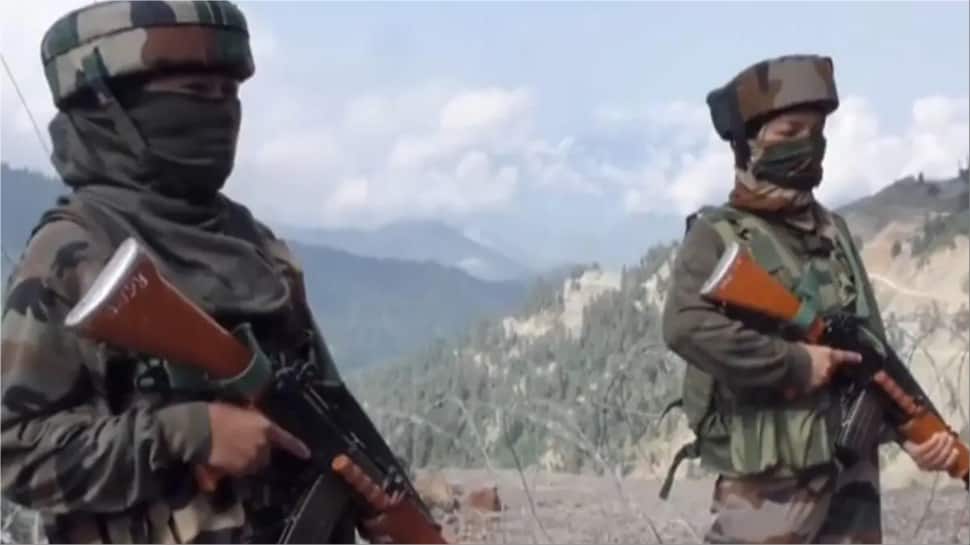
India is bracing for a potential wave of terrorist attacks, with intelligence agencies issuing a high-level alert across Jammu and Kashmir, Haryana, Delhi, and Uttar Pradesh. The warning indicates that Pakistan-backed terror outfits are planning significant operations before the onset of winter. This heightened threat is seen as a retaliatory measure following India’s successful ‘Operation Sindoor’ and comes amidst ongoing investigations into a sophisticated “white-collar” terror module and a recent Delhi blast.
The situation is being described as a “critical warning,” with agencies foreseeing a “long winter of terror” that could involve coordinated suicide attacks and drone-enabled strikes. Intelligence inputs suggest that Lashkar-e-Taiba (LeT) and Jaish-e-Mohammed (JeM) are reactivating sleeper cells following clandestine meetings in October in the Kotli area of Pakistan-occupied Kashmir. These meetings reportedly included ISI officials and operatives from Jamaat-e-Islami and Hizbul Mujahideen, aimed at avenging the losses incurred during Operation Sindoor.
Pakistan’s Border Action Teams (BATs), accompanied by Special Services Group (SSG) commandos and handlers from LeT and JeM, are believed to be part of the preparatory efforts. Terrorists are reportedly conducting reconnaissance missions to identify vulnerabilities along the Line of Control (LoC) for large-scale infiltration, aerial weapon drops, and significant attacks targeting security forces and political figures. The funding for these operations is reportedly being bolstered through expanded narco-terror and arms smuggling routes across Punjab and Rajasthan. Terrorist training is also being adapted for winter conditions to maintain operational capability during heavy snowfall.
Infiltration attempts have increased since September, indicating possible attacks in the “coming weeks” before winter restricts movement. The ISI has reportedly re-established 15 terror camps in PoK to support these renewed offensive plans. Northern Command intelligence highlights a substantial increase in active terrorists in Jammu and Kashmir, with the current number at 131, overwhelmingly Pakistani nationals, operating within a well-established terror network in the Chenab Valley and Pir Panjal regions.
Despite intensified counter-terrorism operations, the influx of foreign terrorists has doubled. While 31 terrorists have been neutralized this year, including 21 Pakistanis, the conflict has also led to casualties among security personnel and civilians. A new challenge has emerged with the “white-collar” terror module, which involves the radicalization and recruitment of educated individuals into terrorist activities, posing a threat across the country. Central agencies are broadening their investigations into these newly uncovered terror networks. Security forces in J&K and other sensitive regions are on maximum alert, with enhanced surveillance and operational readiness implemented. The shift towards recruiting educated individuals instead of local youth signifies a new operational strategy by terror outfits.