

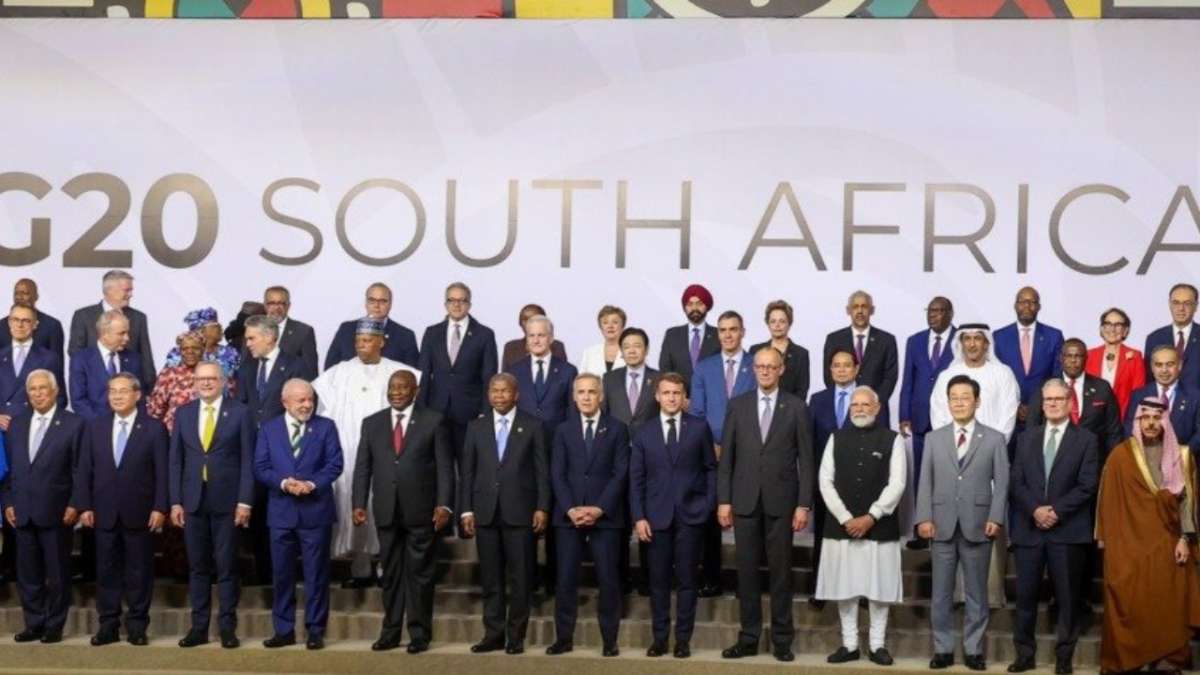
The G20 Leaders’ Summit concluded with a significant declaration that cements solidarity, equality, and sustainability as the core principles for achieving inclusive global growth. The comprehensive 39-page document confronts the complex realities of today’s world, acknowledging the destabilizing effects of intensified geopolitical rivalries, ongoing conflicts, widening inequalities, and increasing economic fragmentation. A strong emphasis was placed on multilateral cooperation and the principle of leaving no one behind.
Leaders expressed a deep understanding of global interconnectedness, reaffirming their dedication to achieving inclusive growth through robust multilateral cooperation, coordinated macroeconomic policies, and strong global partnerships for sustainable development. This consensus-driven declaration emerged amidst a challenging international landscape, underscoring the shared commitment to tackling global issues collectively. It unequivocally reaffirms adherence to international law, including humanitarian law and the UN Charter, and promotes peaceful resolution of disputes.
In a notable statement concerning international relations, the declaration urged states to uphold the principles of the UN Charter by refraining from the threat or use of force to achieve territorial gains. It also advocated for the cultivation of friendly relations among nations, emphasizing respect for human rights and fundamental freedoms for all people, regardless of their background.
Disaster resilience and response received significant attention, with a call to prioritize support for vulnerable populations and nations. Special consideration was urged for Small Island Developing States (SIDS) and Least Developed Countries (LDCs), who are disproportionately affected by natural disasters and often lack the resources for adaptation and recovery. The pervasive issue of high debt levels in many developing economies was identified as a significant constraint on their ability to invest in crucial areas like infrastructure, healthcare, and education, thus hindering inclusive development.
Energy security was recognized as a fundamental element of national sovereignty and global economic stability. The G20 welcomed the South African Presidency’s Voluntary Energy Security Toolkit, a practical resource designed to assist countries in strengthening their national energy systems through integrated approaches to technology, risk management, infrastructure resilience, and emergency preparedness. The declaration also promoted sustainable industrialization as a vital component of sustainable development and energy transitions, advocating for equitable benefit sharing. The G20 Critical Minerals Framework was introduced as a voluntary guide to ensure critical minerals contribute to global prosperity.
On food security, leaders acknowledged the universal right to be free from hunger and committed to fostering the political will needed to enhance access to safe, affordable, and nutritious food. The declaration also highlighted the transformative potential of digital and emerging technologies, including AI, for equitable global development. The essential role of Multilateral Development Banks (MDBs) in driving poverty reduction and economic growth was recognized. Other key areas addressed included climate change action, anti-corruption efforts, and support for migrant workers and refugees.
The G20 reiterated its role as the premier forum for international economic cooperation, committed to operating on the principles of multilateralism, consensus, and equal footing for all member states.