

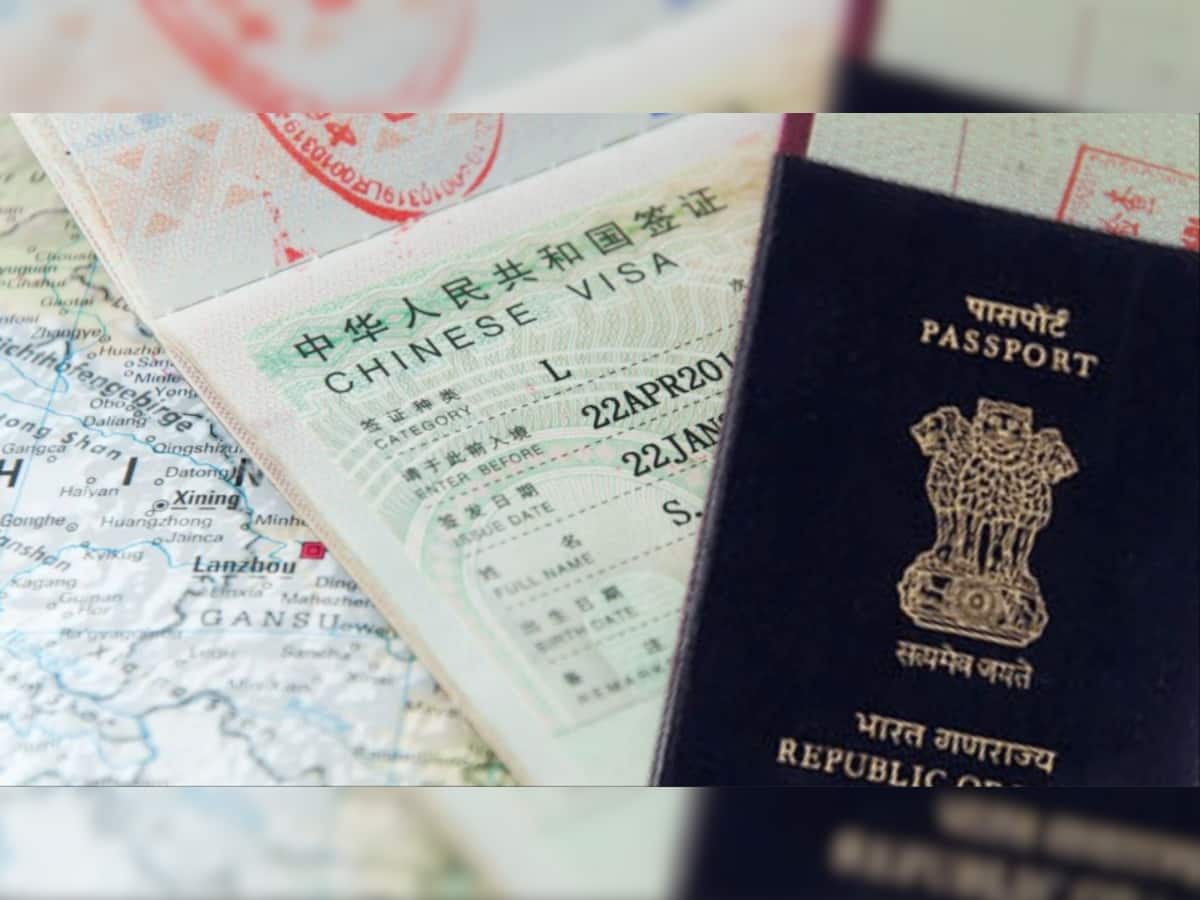
India is further easing travel restrictions for Chinese nationals by expanding the availability of tourist visas. Applications can now be submitted through Indian embassies and consulates worldwide, a move that signals an improvement in bilateral ties following the prolonged military stand-off along the Line of Actual Control (LAC).
This broader reopening follows an initial step taken in July to reinstate tourist visas, which was then limited to applications at India’s missions in Beijing, Shanghai, Guangzhou, and Hong Kong. The decision to allow global applications, enacted quietly this week, effectively lifts the visa suspension imposed in 2020. The suspension was a direct response to the Galwan Valley clash and the tense military situation at the LAC, which resulted in significant casualties and pushed the relationship to a historic low.
Sources privy to the developments report that India and China have agreed on several ‘people-centric steps’ aimed at fostering stability. Direct flights, suspended since early 2020, resumed in October. Additionally, plans are in motion to revive the Kailash Manasarovar Yatra to sacred sites in Tibet this summer, alongside enhanced visa facilitation for various traveler categories. Both nations are also marking the 75th anniversary of diplomatic relations, with various events hosted by their respective embassies and consulates.
These concerted efforts are designed to facilitate increased people-to-people exchanges, in line with guidance from the leaders of both countries. The trend towards normalization accelerated after India and China reached a crucial understanding on disengaging frontline troops along the LAC in October 2024. This agreement preceded a significant meeting in Kazan between Prime Minister Narendra Modi and President Xi Jinping, where they committed to reactivating bilateral mechanisms to resolve outstanding issues, including the border dispute.
Following this, a series of high-level dialogues involving ministers, national security advisors, and special representatives have been productive, leading to agreements on resuming cooperation in trade and economic sectors. China has also begun addressing India’s trade-related concerns, such as export restrictions on rare earth minerals. These integrated actions underscore a cautious yet determined approach to rebuilding a fundamentally important relationship in Asia.