

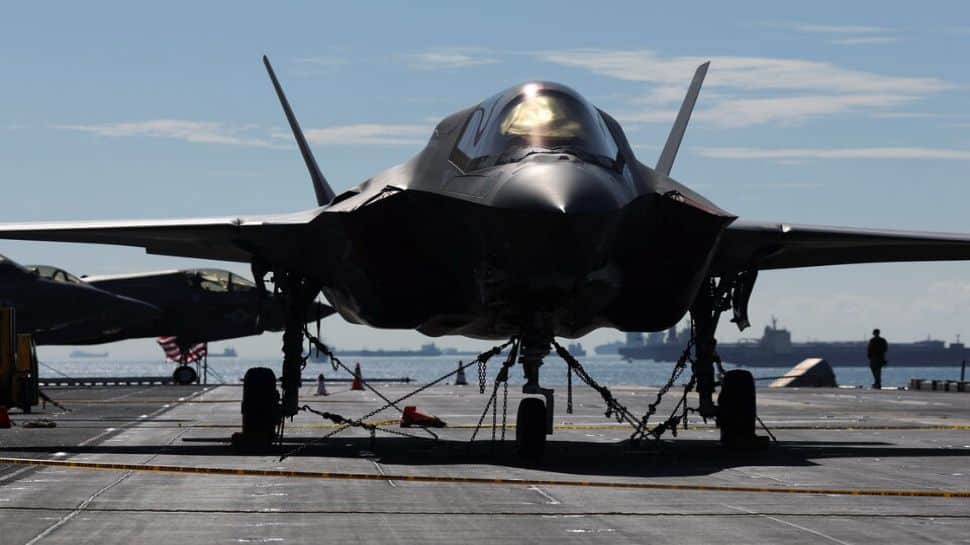
The Lockheed Martin F-35 Lightning II, the United States’ premier stealth fighter, remains a focal point of global defense strategy and a symbol of advanced aerial power. Recent discussions surrounding a potential sale to Saudi Arabia underscore the strict export controls and geopolitical considerations that dictate which nations can acquire this formidable aircraft. The F-35’s cutting-edge stealth technology and classified systems are protected with extreme vigilance, and access is granted only under very specific circumstances.
America’s F-35 program operates under a tightly controlled export regime, prioritizing national security and technological advantage. Even close strategic partners like Israel face specific limitations on what they can do with the aircraft, ensuring U.S. oversight of its most advanced combat jet.
A significant deterrent for potential F-35 buyers is the requirement to forego Russian S-400 air defense systems. This policy has led to the exclusion of countries like Turkey from the F-35 program, demonstrating the U.S. commitment to preventing the co-location of advanced Western and Russian military technologies. Turkey’s S-400 acquisition has reportedly resulted in the system remaining unused.
Concerns about Chinese technological influence, especially related to Huawei and its 5G infrastructure, also act as a potential impediment to F-35 sales. The U.S. actively discourages its allies from integrating Chinese technology into critical infrastructure, citing espionage risks that could jeopardize sensitive military platforms like the F-35. This has led to the postponement or cancellation of deals, including with the UAE.
U.S. foreign policy in the Middle East is deeply influenced by its commitment to maintaining Israel’s ‘qualitative military edge.’ This long-standing principle ensures that Israel receives advanced defense systems, including the F-35, shaping regional military dynamics and influencing the availability of these jets to other Arab nations.
Nations facing intense foreign espionage, such as Taiwan, are generally not considered for F-35 sales. The U.S. prioritizes preventing the compromise of its most sensitive technologies, making countries with high infiltration risks ineligible.
President Trump’s advocacy for selling F-35s to Saudi Arabia is reportedly met with caution within the Pentagon. Intelligence assessments suggest that Riyadh’s acquisition could inadvertently expose critical F-35 secrets to China, potentially aiding the development of Beijing’s own stealth fighter capabilities.
The F-35 Lightning II, developed by Lockheed Martin, is a landmark aircraft representing a massive investment in air superiority. Its high price tag, complex operational requirements, and restricted technology sharing present substantial obstacles. For countries like India, evaluating the F-35 involves a careful assessment of its strategic benefits against these considerable practical and financial challenges.