

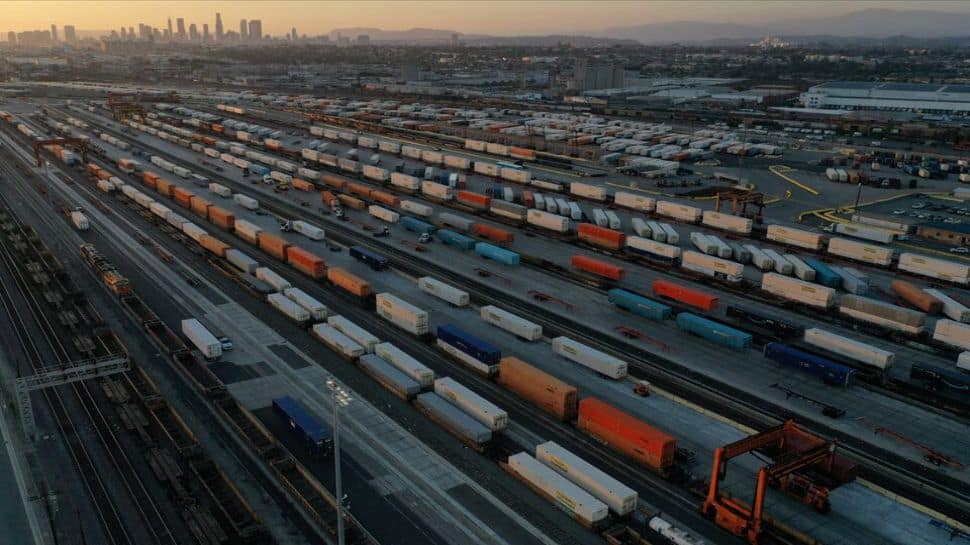
The United States is home to the world’s most extensive railway system, a monumental feat of engineering and logistics stretching over 220,000 kilometers. This colossal network, more than five times the Earth’s circumference, acts as the primary mover of goods across the nation, connecting producers to consumers and driving economic growth. It threads through diverse landscapes, supporting everything from heavy industry to agriculture.
Born from 19th-century private enterprise aiming to connect a continent, the US rail system evolved through fierce competition and consolidation. The landmark achievement of the transcontinental railroad laid the foundation for today’s vast network. A distinctive feature is the enduring private ownership of freight railroads, a model that facilitated rapid expansion and continues to drive investment and efficiency. Key players like Union Pacific and CSX manage the most significant corridors.
While passenger rail, primarily through Amtrak, serves important routes, the US system’s strength lies in freight. It’s a global leader in hauling bulk commodities, automobiles, and intermodal freight across immense distances. The efficiency is remarkable: a single train can substitute for hundreds of trucks, significantly reducing fuel consumption and environmental impact. A ton of cargo can be moved hundreds of miles on the fuel equivalent of a single gallon, highlighting rail’s sustainable advantage.
This vital network, operated by thousands of entities, features incredible engineering marvels and supports massive cargo volumes. The continuous investment in infrastructure by freight companies ensures its operational excellence. Beyond its sheer scale, the US railway system is a cornerstone of national supply chains, economic stability, and a more sustainable future, demonstrating its enduring importance in moving the nation forward.