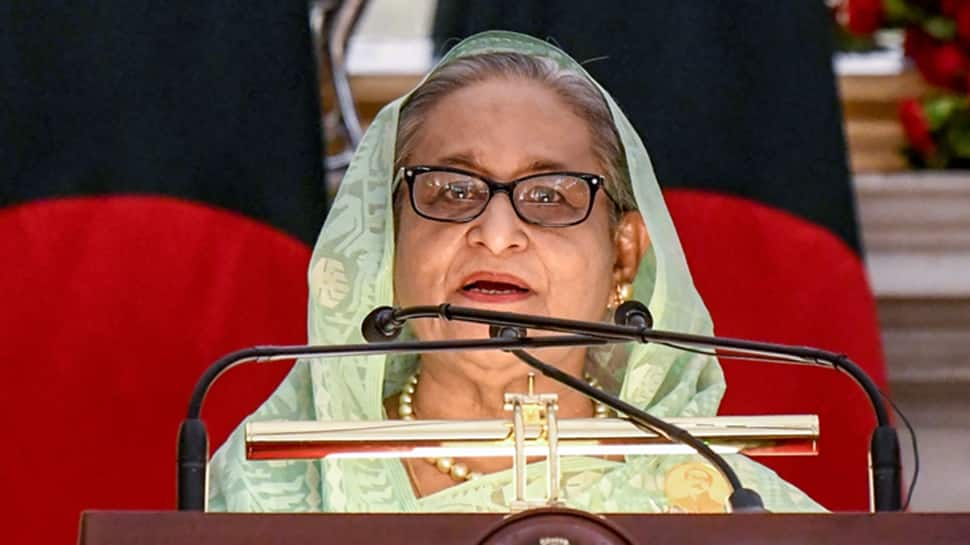
The legal saga surrounding former Bangladeshi Prime Minister Sheikh Hasina has taken a dramatic turn with a death sentence imposed by a Bangladesh court for crimes against humanity. Hasina is currently in New Delhi, India, where she has been living since August 2024, having fled during a period of intense student-led protests and political upheaval. Her presence in India continues under the protection of Indian authorities, despite Bangladesh’s persistent efforts to secure her extradition. Dhaka has formally requested India to hand over the former premier, but as of mid-2025, these requests have gone unanswered. Reports suggest a degree of reluctance among some Indian officials, who fear that extraditing Hasina could set an unfavorable international precedent. Bangladesh asserts that her current legal standing in India is secondary to the extradition demand. India has reportedly extended Hasina’s visa, a move characterized by officials as a “purely technical” matter, not an indication of granting her asylum. Her legal entanglements are significant: in July 2025, she was convicted and sentenced to six months in jail in absentia for contempt of court, stemming from a confirmed leaked audio recording allegedly referencing “license to kill.” Prior to this, in June 2025, the International Crimes Tribunal (ICT) indicted her on five counts of crimes against humanity, including charges of incitement and conspiracy related to the 2024 unrest. The death sentence was handed down in absentia on November 17, 2025. From her New Delhi base, Hasina has expressed a conditional willingness to return to Bangladesh, stating it would only occur if free, fair, and participatory elections are held. She claims to live “freely” within “reasonable limits” in Delhi. Adding to the complex situation, a second arrest warrant has been issued in Bangladesh for alleged enforced disappearances during her 15-year rule. Relations between Bangladesh and India are tenuous; while Bangladesh seeks improved ties, India’s stance on the extradition request remains a significant hurdle. In Bangladesh, 2025 has been marked by political instability and confrontations between security forces and pro-Hasina activists. Protests have targeted properties associated with her, with activists reportedly reacting to her statements from exile. Meanwhile, a broad security operation has resulted in thousands of arrests, many identified as supporters of Hasina’s party. As of late 2025, Sheikh Hasina’s position is one of self-imposed exile in New Delhi, under Indian security. Her primary legal avenue involves appealing the conviction in Bangladesh’s Supreme Court. However, India’s current position on extradition complicates this, even as she continues to issue political statements from exile, framing her return on democratic election conditions, while her party navigates increasing domestic challenges.