

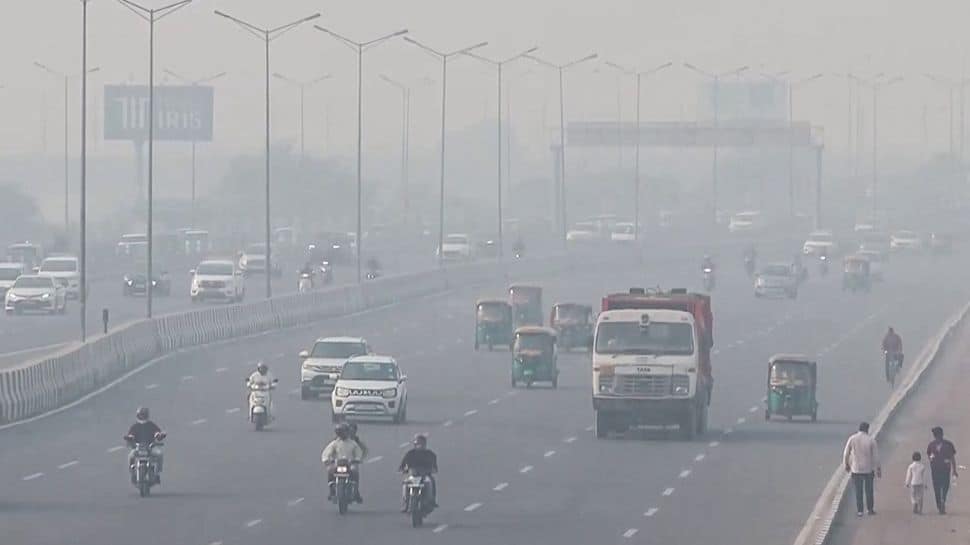
A wave of severe air pollution has descended upon Delhi, pushing the Air Quality Index (AQI) to 361, a level categorized as ‘very poor’. As winter officially begins to set in, the national capital is struggling with toxic air, impacting daily life and public health. The Central Pollution Control Board (CPCB) has confirmed the alarming AQI average, with many parts of the city experiencing significantly compromised air quality.
Detailed monitoring shows that a substantial number of stations recorded AQI readings above 400, signifying critically dangerous air. Areas like Wazirpur, Bawana, and Vivek Vihar are particularly hard-hit. Other severely affected zones include Rohini, Nehru Nagar, RK Puram, and ITO. The pollution problem extends to the broader National Capital Region, with Noida, Greater Noida, and Ghaziabad also reporting hazardous air quality, underscoring the pervasive nature of this environmental threat.
Alongside the smog, Delhi is feeling the chill of winter, with temperatures dropping to 11 degrees Celsius. The India Meteorological Department (IMD) anticipates even colder conditions in the coming days, with minimum temperatures potentially nearing 10 degrees Celsius. Mornings are expected to be foggy and misty. While Delhi faces this dual challenge of pollution and cold, weather forecasts indicate heavy rainfall in southern states and potential cold wave conditions in central India, highlighting diverse weather patterns across the country.