

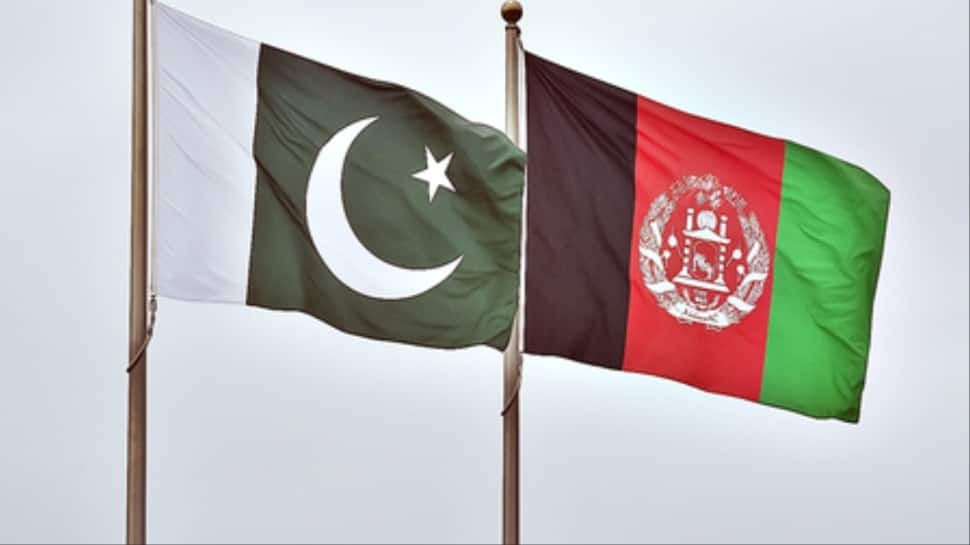
Following the abrupt end of recent peace talks, the Taliban-led government in Afghanistan has issued a forceful warning to Pakistan, emphasizing its unwavering commitment to defending Afghan territory. Kabul declared that it will not permit any country to utilize Afghan soil for aggressive actions against others. This firm assertion underscores the Islamic Emirate’s resolve to protect its people and national sovereignty, reiterating its long-held principle that Afghanistan will not be a launchpad for external hostility, nor will it allow external forces to undermine its security.
The official statement from the Islamic Emirate stressed that safeguarding Afghanistan is a fundamental religious and national duty. These remarks followed accusations from Kabul that certain military circles in Pakistan are actively pursuing policies detrimental to Afghanistan’s peace and development. The Taliban government believes these Pakistani military elements see a stable and secure Afghanistan as a challenge to their objectives and exploit regional instability to achieve their aims.
Relations between Afghanistan and Pakistan have recently become significantly strained due to deadly clashes along their shared border. While a ceasefire initiated in October, facilitated by Qatari mediation, has provided a temporary respite, the situation remains tense. The Taliban expressed disappointment with the Pakistani delegation’s attitude during the failed negotiations, characterizing it as “irresponsible and non-cooperative.” Despite these challenges, the Taliban extended messages of solidarity to the Pakistani people, calling them “brothers” and advocating for peace and stability in the region.
The Islamic Emirate also categorically rejected Pakistan’s persistent claims that the rise of the Tehrik-i-Taliban Pakistan (TTP) is a direct result of the Taliban’s return to power. The Taliban spokesperson dismissed these allegations as “false and baseless,” arguing that militancy within Pakistan is a deeply rooted internal issue that predates current events and is not the responsibility of the Afghan government.
Kabul detailed several initiatives undertaken to bolster regional security, including promoting dialogue among religious and tribal leaders, relocating communities from volatile border zones, and prohibiting weapons within refugee camps. The breakdown of diplomatic efforts and the ongoing border tensions serve as a stark reminder of the fragile regional landscape and the critical need for de-escalation to prevent further conflict.