

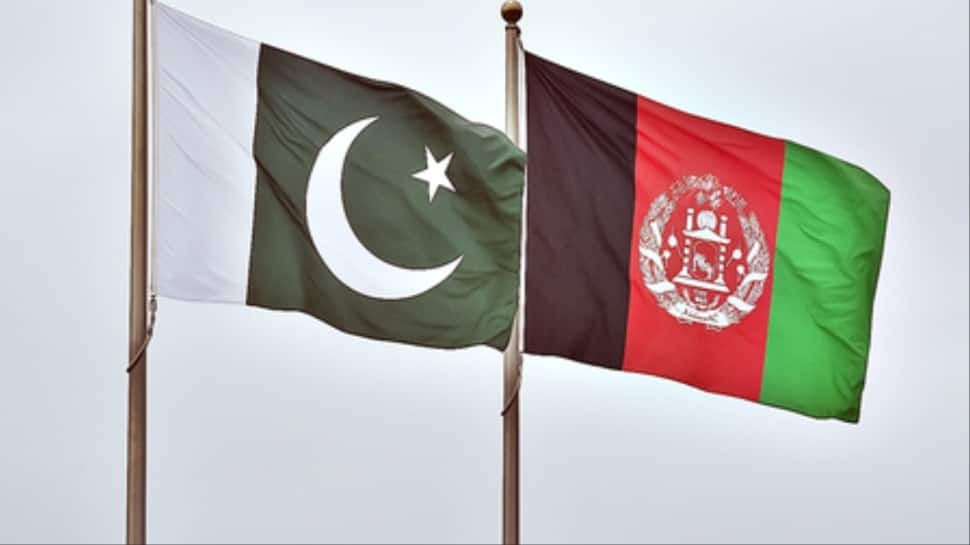
The Taliban government in Afghanistan has issued a firm directive to Pakistan, stating unequivocally that it will not permit any nation to use Afghan territory for hostile purposes. This strong declaration comes in the wake of stalled peace talks between the two neighboring countries. The Islamic Emirate of Afghanistan affirmed its commitment to defending its citizens and land against any form of aggression.
Through an official statement, the Taliban reiterated its steadfast policy: Afghan territory will not be allowed to serve as a launchpad for attacks against any other nation, nor will Afghanistan permit external interference with its security or sovereignty. “The defense of the people and the land of Afghanistan is both an Islamic and national duty of the Islamic Emirate,” the statement asserted. “Afghanistan will defend itself against any aggression.”
The Taliban also extended thanks to Turkey and Qatar for their mediation in the collapsed dialogue, acknowledging them as “two brotherly nations.”
This firm stance from Kabul follows accusations that specific elements within Pakistan’s military are pursuing policies detrimental to Afghan stability. The Taliban alleges that these “certain military elements” are deliberately fostering tension through manufactured pretexts, perceiving a strong and secure Afghan government as a threat to their interests. The statement noted, “Unfortunately, some military elements in Pakistan appear to consider Afghanistan’s stability, security, and development as threats to their objectives,” accusing them of exploiting periods of regional unrest.
Relations between Afghanistan and Pakistan have notably worsened in recent weeks due to deadly border clashes that resulted in casualties on both sides. The conflict escalated following explosions in Kabul on October 9th, coinciding with the Taliban foreign minister’s trip to India. A fragile ceasefire, brokered by Qatar on October 19th, has since been established, but tensions remain high.
The Taliban conveyed its deep disappointment regarding the “irresponsible and non-cooperative” attitude exhibited by the Pakistani delegation, citing it as the reason for the talks’ failure. Despite this, the group expressed goodwill towards the “Muslim people of Pakistan,” referring to them as “brothers” and emphasizing a desire for peace and stability.
Responding to repeated allegations from Pakistan that the rise of the Tehrik-i-Taliban Pakistan (TTP) is linked to the Taliban’s return to power, the Islamic Emirate has dismissed these claims as “false and baseless.” The Taliban spokesperson highlighted that militancy within Pakistan is not a new phenomenon and predates 2021. “The problem is primarily Pakistan’s internal issue, not one caused by the Islamic Emirate,” the spokesperson stated.
The Taliban government has outlined several measures implemented to promote regional stability. These include encouraging dialogue among religious and political leaders, relocating tribal refugees from the Durand Line areas, and prohibiting weapons within refugee communities. As diplomatic efforts falter and border tensions persist, the Taliban’s resolute warning underscores the fragile regional dynamics and the significant challenges in averting further conflict.