

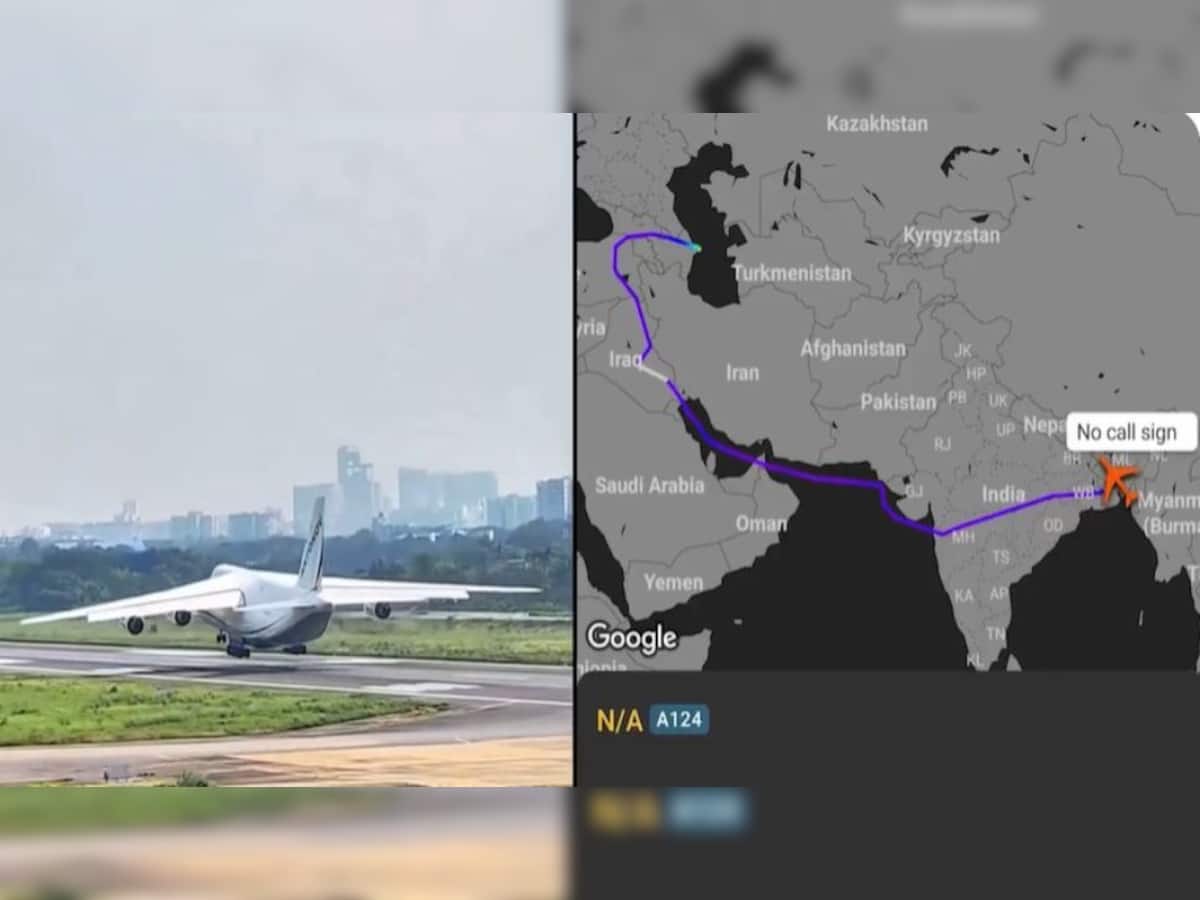
Strategic circles in New Delhi are abuzz with concerns following a series of unexplained military movements in Bangladesh, particularly their proximity to India’s vulnerable Siliguri Corridor. A substantial Antonov AN-124 cargo plane, reportedly originating from Azerbaijan, landed in Dhaka without prior public notification of its cargo. The flight path also notably avoided Iranian airspace, a detail often associated with sensitive logistical operations. The absence of official clarification regarding the aircraft’s payload and its discreet transit has fueled speculation. Adding another layer of intrigue, Bangladesh Navy Chief Admiral Mustaq Ahmed held meetings focusing on naval cooperation and maritime industry partnerships with Pakistan during the PIMEC 2025 event in Karachi. Although characterized as routine, this intensified defense engagement with Islamabad represents a significant step in bilateral military relations.
Furthermore, a U.S. military C-130 Hercules aircraft delivered over a hundred American soldiers to Chattogram. The soldiers’ subsequent check-in at a local hotel, without any official explanation for their mission, has drawn considerable attention. The critical factor here is Chattogram’s geographical position, located less than 100 kilometers from India’s Siliguri Corridor, the narrow strategic ‘chicken’s neck’ vital for connecting India’s mainland with its northeastern states. Any foreign military activity near this highly sensitive area immediately heightens Indian security concerns. The increasing presence of both U.S. and Pakistani military elements in Bangladesh has led to apprehension in New Delhi about a potential alteration of the regional security balance around the Siliguri axis. Experts posit that Bangladesh is actively cultivating distinct military alliances: engaging Pakistan for shipbuilding and defense technology, partnering with the United States for training and logistics, and possibly sourcing equipment from Azerbaijan. Set against the backdrop of growing geopolitical competition in the Bay of Bengal, these new activities on India’s eastern frontier introduce substantial strategic uncertainty. While no overt hostile intentions have been signaled, the combination of clandestine cargo arrivals, enhanced naval cooperation, and the deployment of foreign troops near a critical Indian strategic asset has amplified India’s unease concerning Bangladesh’s evolving military posture and its broader implications for regional security.