

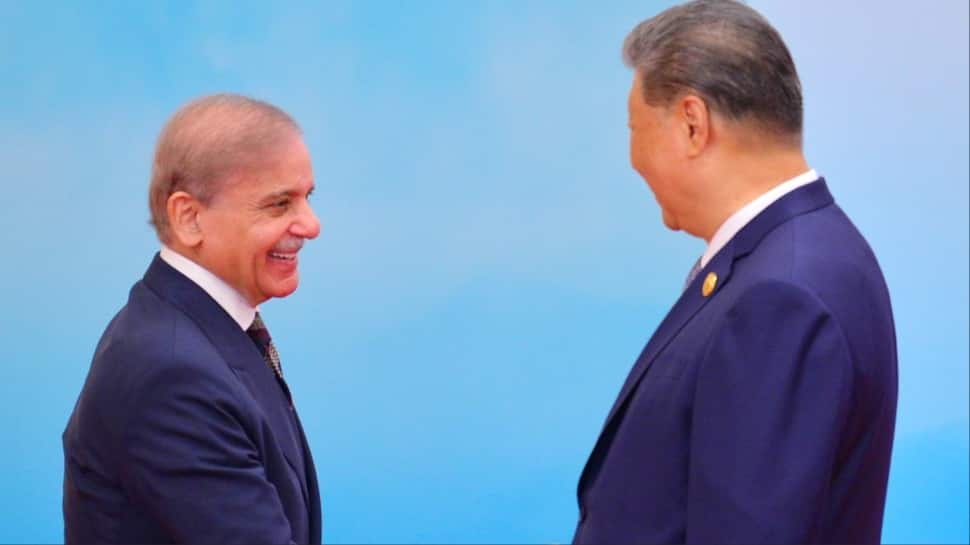
The celebrated ‘iron brotherhood’ between China and Pakistan is reportedly undergoing a critical reevaluation, with pragmatism poised to take precedence over emotive declarations. In an era of shifting global alliances and strategic imperatives, the relationship is increasingly being shaped by the need for tangible benefits and clear strategic foresight, moving beyond poetic descriptions.
For a considerable period, the ‘iron brotherhood’ moniker has encapsulated the deep ties between China and Pakistan. However, this narrative has also led to unrealistic expectations within Pakistan, fostering a perception of guaranteed, unconditional support from China, regardless of Pakistan’s own actions or effectiveness. Experts suggest that this approach is becoming increasingly untenable in the current international climate.
The alliance is fundamentally built on mutual strategic interests. Pakistan’s geographic position, offering China vital access to the Arabian Sea via the Gwadar Port, remains a key driver. China also values Pakistan as a significant ally within the Muslim world and a partner in its global ambitions. Pakistan, conversely, relies heavily on China for economic sustenance through the China-Pakistan Economic Corridor (CPEC), which encompasses substantial investment, advanced military hardware, and unwavering diplomatic support on the international stage.
The CPEC project, a flagship initiative, has become a focal point for the practical realities of the partnership. While it has led to advancements in power generation and infrastructure, Pakistan has grappled with challenges in developing a related industrial base, overcoming administrative hurdles, and managing its mounting public debt. This has led to increased caution among Chinese investors, who are closely monitoring Pakistan’s macroeconomic vulnerabilities.
With Pakistan’s public debt exceeding 70% of its GDP and the binding conditions of an ongoing IMF program, efficient project execution is now crucial for economic stability. This has shifted Beijing’s focus towards projects with more predictable revenue streams and robust risk-management frameworks. The era of unconditional financial support appears to be waning, supplanted by a demand for demonstrable fiscal discipline and effective governance.
Furthermore, China’s security concerns, including incidents affecting its nationals in Pakistan, are a significant factor. Adding to the complexity are Pakistan’s recent diplomatic overtures towards the United States, a primary strategic rival of China, which raise questions about Pakistan’s ability to balance its relationships effectively.
In summary, the current geopolitical landscape necessitates a China-Pakistan partnership grounded in mutual delivery and strategic clarity, rather than sentimental rhetoric. The ‘iron brotherhood’ is being recast in the mold of pragmatism, requiring Pakistan to demonstrate its capacity as a stable, secure, and reliable partner. A continued reliance on emotional narratives over tangible performance could lead to substantial strategic disappointments, a predicament Pakistan can ill afford.