

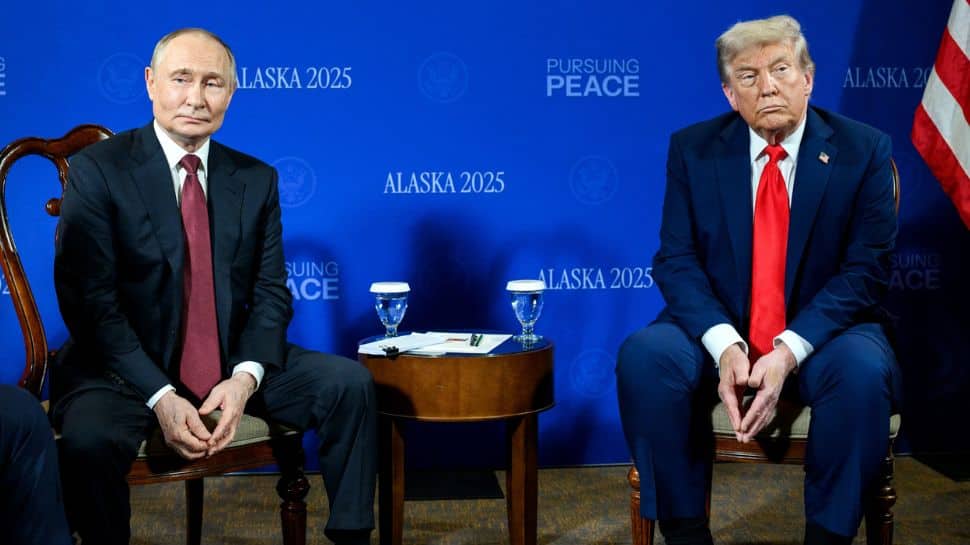
The planned summit between U.S. President Donald Trump and Russian President Vladimir Putin, scheduled for next month in Budapest, has been canceled by Washington. The decision follows Moscow’s submission of what U.S. officials described as “unacceptable” demands, including the easing of sanctions and recognition of territorial claims. These conditions were deemed impossible for the U.S. to meet.
Questions about the summit’s likelihood had surfaced earlier, with a senior U.S. official noting “no immediate plans” for the meeting. The summit was intended to be a crucial step towards improving U.S.-Russia relations amidst heightened global tensions. However, the impasse over Russia’s demands has effectively halted these diplomatic overtures.
President Trump’s perception of President Putin has reportedly grown more critical. While initially optimistic that his “personal chemistry” with the Russian leader could swiftly end the war in Ukraine, sources indicate that Trump now feels “frustrated” by Putin’s ongoing actions and policies.
This diplomatic setback coincides with Russia’s recent high-profile tests of its nuclear-powered Burevestnik cruise missile and Poseidon underwater drone, systems designed for long-range nuclear delivery. President Trump publicly criticized these military tests as “inappropriate,” urging Putin to shift his focus towards resolving the conflict in Ukraine instead of pursuing military escalation.
In response to these developments, President Trump has ordered the Department of War to begin preparations for U.S. nuclear weapons testing, referencing similar activities by other nations. He highlighted the U.S.’s preeminent position in nuclear capabilities, a status he attributes to ongoing modernization initiatives.