

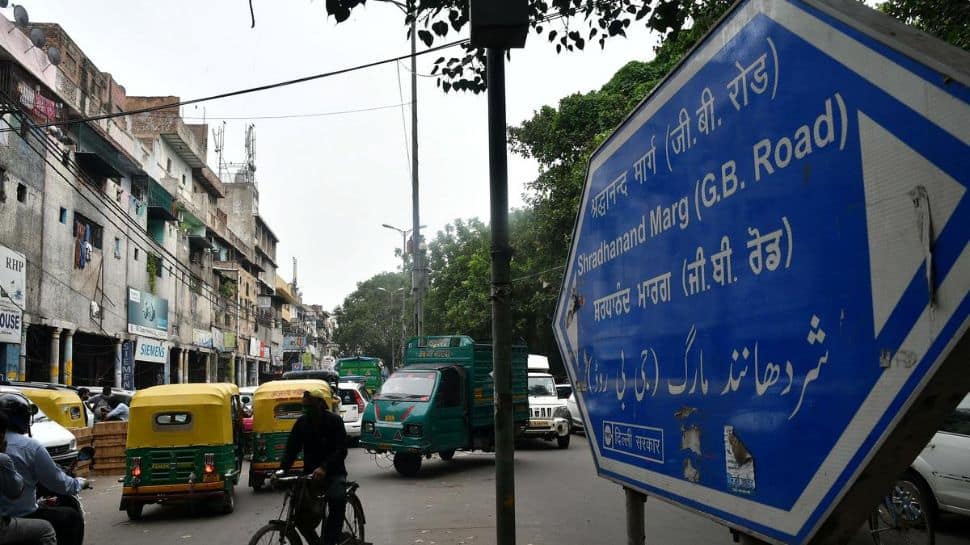
GB Road, or Garstin Bastion Road (now Shraddhanand Marg), is a name synonymous with Delhi’s red-light district, but its history is a tapestry woven with threads of royalty, abandonment, and transformation. Beyond the modern-day reality of hundreds of women living and working in its cramped quarters, lies a narrative stretching back to the Mughal era, and originally, a bustling hardware market.
During the Mughal period, GB Road served as an unexpected refuge for women who had once graced the royal harem. Many are said to have been sent to this street when their beauty faded or they fell out of imperial favor, creating a unique community of displaced women. This street became their only option for survival, far from the opulence they once knew.
The historical trajectory of GB Road took a definitive turn under British rule. In an effort to centralize and control activities deemed undesirable, officials consolidated various smaller red-light areas into this single location. This move cemented GB Road’s reputation and etched it into the city’s psyche as a place of secrecy and vice, eclipsing its earlier identities.
Strategically positioned between Ajmeri Gate and Lahori Gate, the street remains a vibrant commercial artery at its base, a testament to its enduring role as a marketplace for hardware and electrical supplies. Yet, a few steps up reveal a different world, one that has weathered centuries of change. GB Road continues to stand as a silent narrator of Delhi’s complex past, holding untold stories of forgotten lives, societal shifts, and the unwavering strength of the human spirit against adversity.