

Estonia has reportedly demonstrated a strong defensive posture by shooting down a Russian drone that intruded into its airspace approximately on October 17. This decisive action, occurring near the military facility at Camp Reedo close to the Russian border, is being viewed as a powerful statement of intent from a key NATO member situated at the forefront of the alliance’s eastern defenses. The incident fuels ongoing debates about NATO’s boundaries and its preparedness to counter Russian incursions during the Ukraine conflict.
Information suggests that two unacknowledged drones were detected flying in proximity to Camp Reedo. Estonian defense officials confirmed that allied forces successfully intercepted and brought down one of the drones, while the other drone retreated back towards Russia. Although the origin of the aircraft has not been officially disclosed, regional defense analysts commonly believe it was a Russian reconnaissance drone, testing the resilience of NATO’s border defenses.
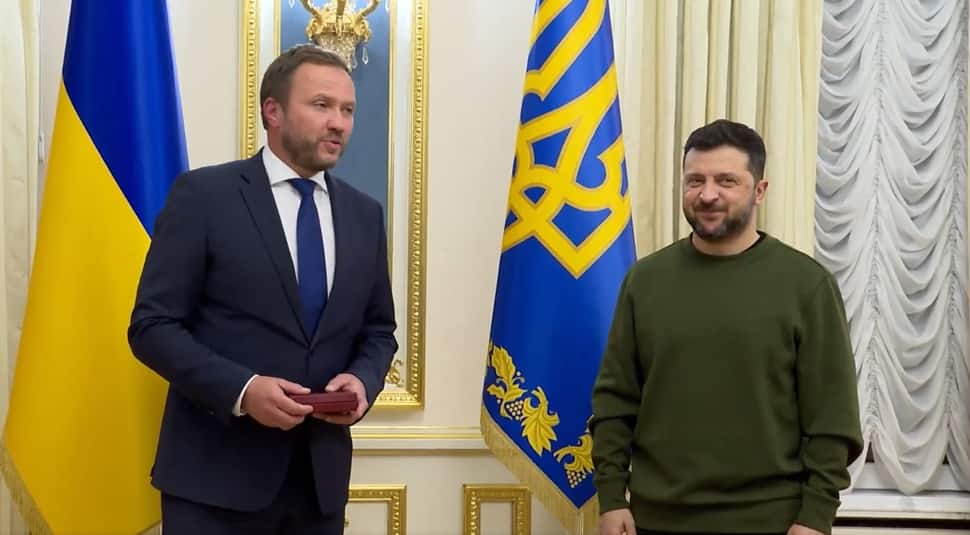
The timing of this incident is particularly noteworthy, occurring just over a week before a significant meeting on October 27 between Ukrainian President Volodymyr Zelenskyy and Estonia’s Foreign Minister Margus Tsahkna. Their discussions centered on strengthening defense ties, including enhancing Ukraine’s long-range strike capabilities, boosting drone production, and solidifying overall military support. President Zelenskyy expressed profound gratitude for Estonia’s enduring commitment and support for Ukraine’s EU integration and its warriors.
Estonia stands out as one of Ukraine’s most dedicated supporters within NATO, allocating a substantial portion of its GDP to defense aid and championing robust EU sanctions. It has also been a strong proponent of collaborative drone manufacturing efforts. The reported downing of the Russian drone highlights Estonia’s unwavering resolve to protect its sovereign territory and, by extension, the integrity of NATO’s eastern flank. This action may indicate a subtle but important shift in the alliance’s strategy, moving beyond a purely defensive stance.
This assertive move sends a clear message to Moscow that NATO’s frontline states are resolute in defending their airspace. As Estonia prepares to assume the chairmanship of the Nordic-Baltic Eight in 2026, its proactive approach to security could significantly influence Europe’s collective response to the complex challenges posed by Russian hybrid warfare tactics.