

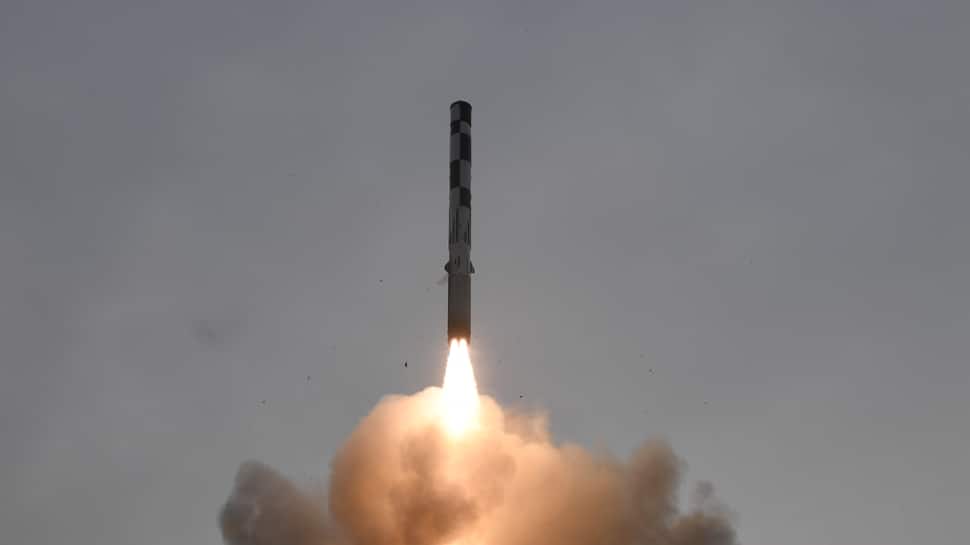
The Indian defense landscape is set for a significant shift with the imminent completion of an extended-range BrahMos supersonic cruise missile, capable of reaching approximately 800 kilometers. This substantial increase in range from the missile’s current 450 km capability means that virtually the entire country of Pakistan will be within its effective strike zone. The BrahMos’s exceptional speed, exceeding Mach 2.8, already makes it a formidable challenge for enemy defenses.
According to defense publications and program officials, tests for this enhanced variant are actively underway, with an estimated operational timeline of around two years. The development involves crucial upgrades to the missile’s core systems, including its propulsion and guidance mechanisms. Engineers have re-engineered the ramjet engine and refined the cruise trajectory for optimal performance at higher altitudes, directly contributing to the extended range.
Ensuring the missile’s accuracy and resistance to electronic interference is paramount. Ongoing trials are rigorously testing the integrated navigation system, which combines inertial and global satellite navigation for robust and precise targeting. Innovations in materials science, such as advanced composites for lighter airframes, alongside modifications for increased fuel load and optimized software, have been instrumental in achieving this extended reach.
Analysts interpret the development of an 800 km BrahMos as a strategic move to enhance India’s conventional long-range precision strike capabilities. It is designed to strengthen deterrence and offer expanded tactical flexibility without altering its conventional weapon status. This capability expansion is expected to prompt significant strategic reassessments from regional rivals, potentially influencing their military deployments and crisis response planning. The program targets readiness by late 2027.