

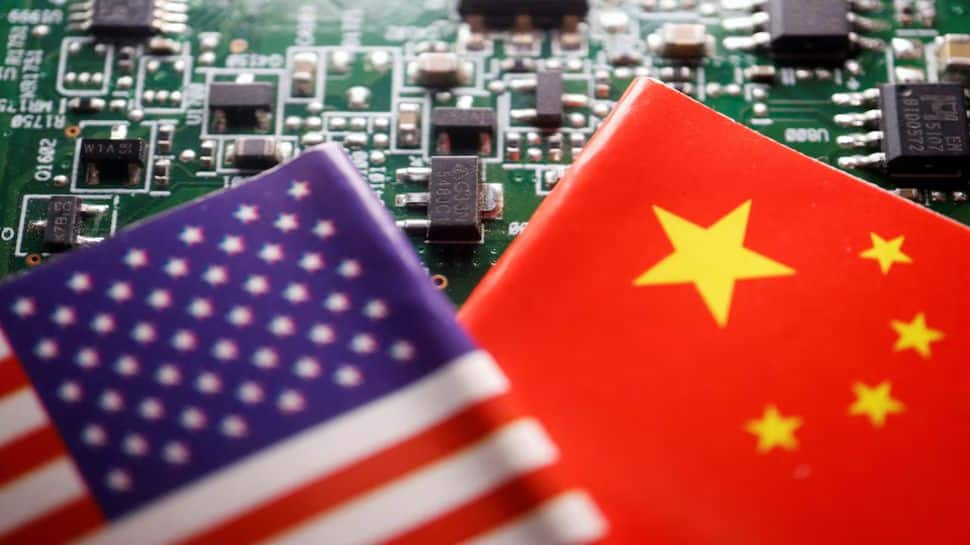
Beijing has initiated a significant shift in global trade by implementing stringent export controls that directly impact the technology supply chain. Under the new regulations, any foreign company wishing to export products containing Chinese rare earth elements or employing Chinese technology must first obtain approval from the Chinese government. This move positions China as a central gatekeeper for a vast array of technologically advanced goods.
This policy represents a clear adoption of strategies previously utilized by the United States, particularly its ‘foreign direct product’ rule, which has historically served to restrict the flow of advanced technology to countries like China. Beijing’s embrace of these tactics suggests a strategic effort to counter US economic pressure and bolster its own influence on the world stage.
China’s development of this regulatory toolkit has been a long-term endeavor. The trade tensions that escalated in 2018 provided the impetus for Beijing to build its capacity for retaliatory actions. Key milestones include the 2020 introduction of the ‘Unreliable Entity List’ and the 2021 enactment of an anti-foreign sanctions law, empowering China to take decisive action against entities deemed hostile.
Recent trade conflicts have accelerated this trend, with both sides engaging in escalating tariff impositions and reciprocal blacklisting. China’s response to these pressures has included tightening export controls on critical materials such as tungsten and bismuth, and more recently, restricting shipments of rare earth magnets. This assertive approach underscores China’s evolution into a major player in global trade politics, demonstrating a mastery of retaliatory tactics and a willingness to use its economic leverage to its advantage.