

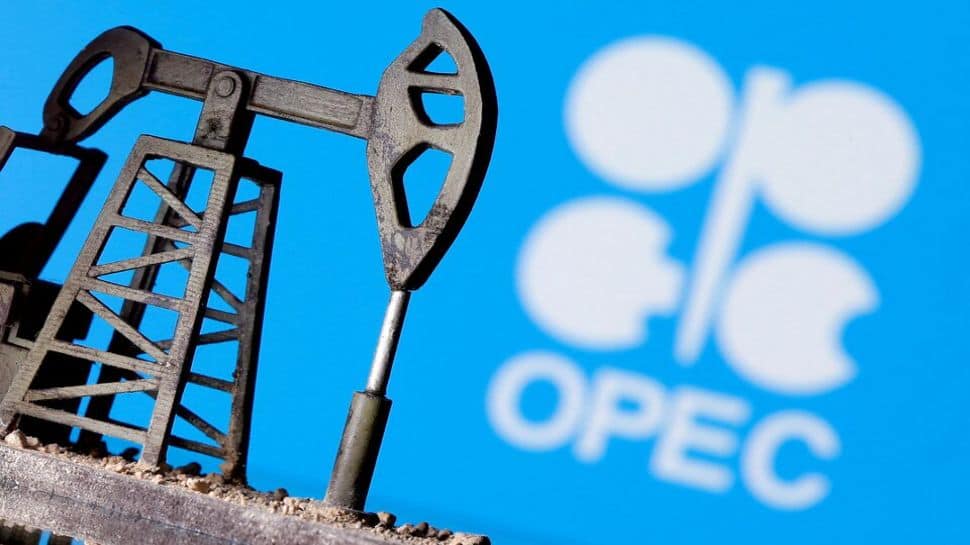
A dire warning has emerged from the Organization of the Petroleum Exporting Countries (OPEC) regarding the future of global energy. OPEC Secretary-General Haitham Al Ghais has stated that without an estimated $18.2 trillion investment in oil and gas by 2050, the world risks severe energy shortages that will affect every nation. This call highlights the complex realities of the energy transition, emphasizing that ambition alone is insufficient without significant financial backing and supportive policies.
Al Ghais’s outlook suggests that fossil fuels, particularly oil, will remain a critical component of the global energy portfolio, projected to make up around 30 percent of the total energy mix by 2050. He also forecast a substantial increase in overall primary energy demand by 23 percent by the middle of the century. Challenging prevailing sentiments, he argued that forecasts for a swift decline in oil demand are unrealistic and that insufficient investment poses a clear and present danger to supply stability, impacting markets and economies worldwide.
The immense capital required for these investments faces numerous obstacles. The evolving regulatory environment, including climate policies and carbon pricing mechanisms, creates an uncertain landscape for investors. Not all projects will be viable, necessitating careful consideration of economic returns versus environmental impact and permitting challenges. Developing resources in challenging frontier regions like deepwater fields or the Arctic adds further layers of geological, logistical, and regulatory complexity.
OPEC observes that the petroleum industry is adapting, with companies across various regions seeking to balance essential fossil fuel output with growing investments in low-carbon technologies. However, the extent to which these investments can be made and sustained hinges critically on the clarity and stability of government policies and international climate frameworks. These factors will significantly influence the flow of capital necessary to ensure future energy security.