

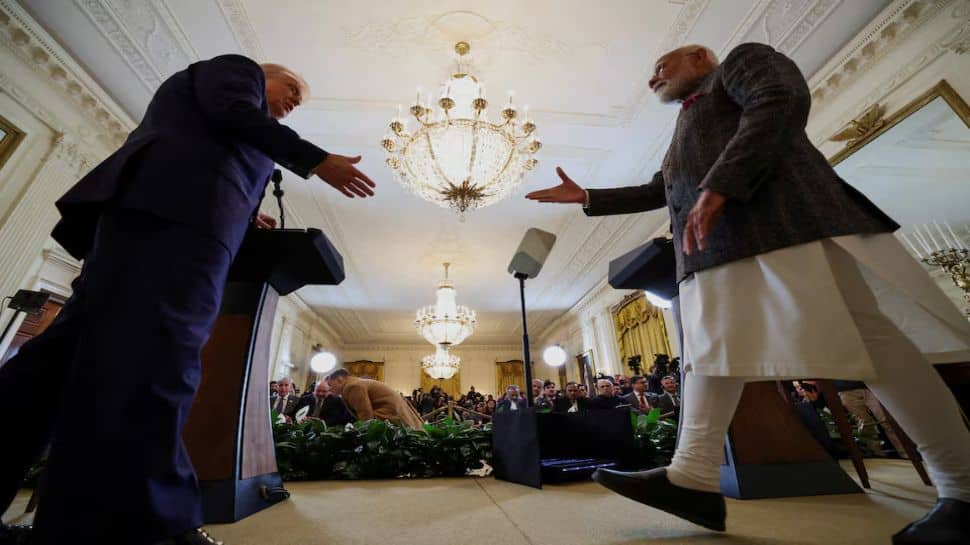
Hope is high for a significant bilateral trade agreement between India and the United States as a high-level Indian delegation embarks on a crucial visit to Washington this week. The purpose is to accelerate negotiations that began in February, aiming to resolve intricate tariff issues and foster stronger economic ties. This intensified dialogue follows constructive discussions between Prime Minister Narendra Modi and U.S. President Donald Trump.
According to officials close to the development, five rounds of talks have already concluded, with progress being described as consistently positive and moving towards a “steady breakthrough.” The strategy involves creating a clear path for increased trade by addressing existing barriers, a move that aligns with broader U.S. foreign policy objectives. Amidst escalating trade friction with China, the U.S. is actively seeking to strengthen its alliances and diversify supply chains, with India playing a vital role.
Concerns about China’s control over rare earth exports have been explicitly raised by U.S. officials, highlighting the need for cooperation with allies. Earlier meetings, including a trade consultation led by India’s Commerce and Industry Minister, have set the stage for these advanced discussions.
A primary objective is to reduce or eliminate the current 50% retaliatory tariffs imposed on Indian products. A comprehensive trade agreement could unlock significant economic potential, with the ultimate goal of increasing bilateral trade to $500 billion by 2030, more than doubling the current figure of $191 billion. As the U.S. remains India’s largest trading partner, the successful finalization of this deal is expected to stimulate economic growth and create valuable employment opportunities.