

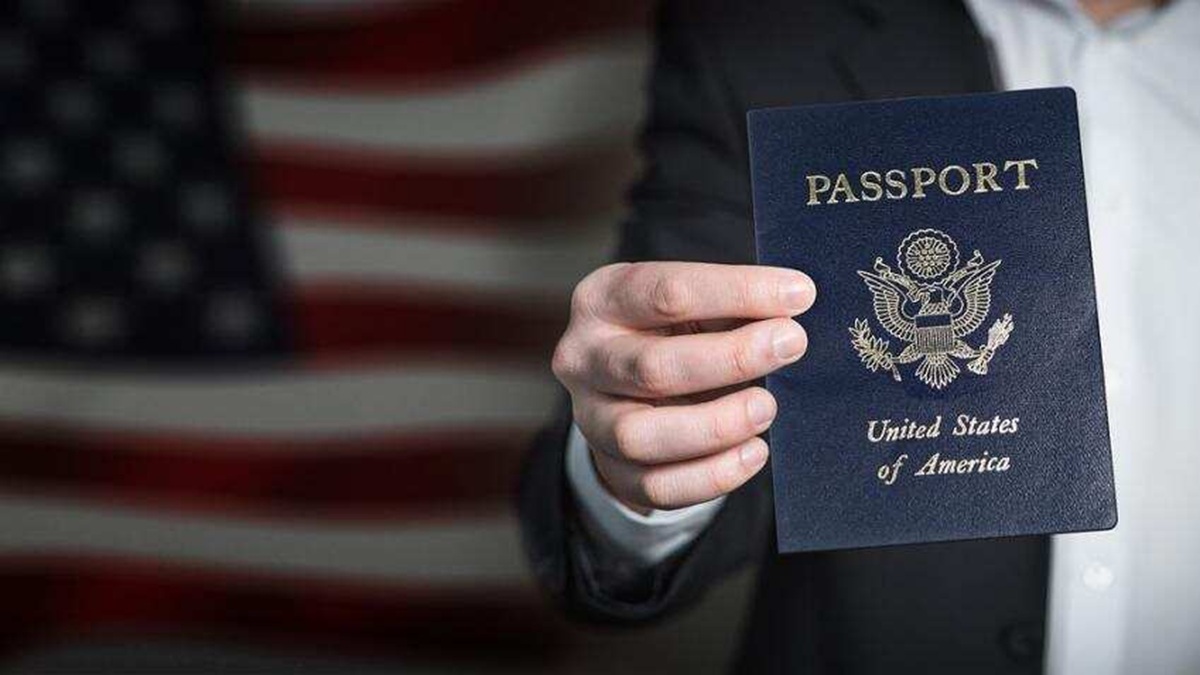
The United States passport has fallen out of the world’s top 10 most influential passports for the first time in two decades, according to the Henley Passport Index 2025. Now at the 12th position, tied with Malaysia, the US passport offers visa-free or visa-on-arrival access to 180 destinations. Experts point to restrictive US visa policies and a decline in soft power as primary reasons for this significant drop.
Singapore continues its reign as the holder of the world’s most powerful passport, providing access to 193 countries without a visa. South Korea and Japan are also high on the list, showcasing the growing strength of Asian passports. Traditional European passport powerhouses remain competitive within the top rankings.
The narrative around the US passport’s weakening is complex, involving foreign policy decisions and limited visa reciprocity. Brazil’s decision to revoke visa-free entry for US citizens, following Washington’s refusal of similar terms, exemplifies this trend. China and Vietnam have also opted out of granting visa-free access to US citizens, and the introduction of new e-visa systems by several countries further restricts Americans’ travel options.
The US passport’s diminished global standing is further illustrated by its low ranking on the Henley Openness Index (77th), with visa-free access granted to only 46 nations. This lack of openness is creating a significant ‘reciprocal gap,’ where other countries are mirroring the US’s restrictive approach.
In stark contrast, China’s passport power has surged dramatically over the past decade. From 94th in 2015, it has climbed to 64th in 2025, now granting visa-free access to 76 countries. This strategic use of ‘travel diplomacy,’ including recent visa-free access for Chinese citizens to Russia, highlights a proactive foreign policy shift.
The decline in US passport power has coincided with a significant rise in Americans seeking dual citizenship. Henley & Partners reports a 67% increase in American participation in investment migration programs in Q3 2025, suggesting a growing desire among citizens to secure alternative travel mobility and global access.
Regarding India, its passport has dropped five places to the 85th position in the Q1 2025 Henley Passport Index, down from 80th in the previous year. This places it further from its historical best ranking of 71st in 2006 and its lowest point of 90th in 2021.