

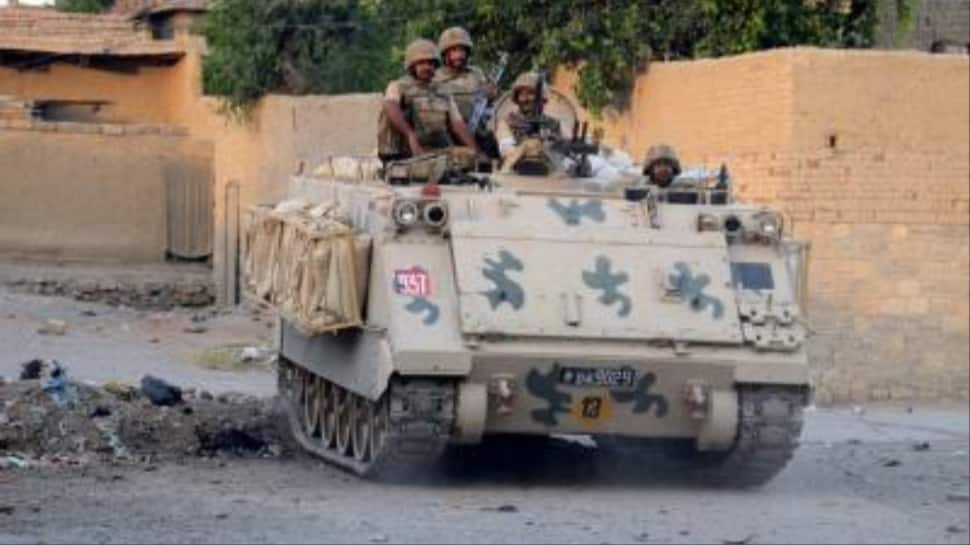
A deadly clash erupted over the weekend along the shared Pakistan-Afghanistan border, leading to significant loss of life and a sharp deterioration in diplomatic relations. The violence began late Saturday when Afghan forces, under the authority of the Taliban, launched attacks against Pakistani military outposts. Kabul claims these actions were a direct response to alleged Pakistani airstrikes that hit Afghan territory days earlier.
Both sides have presented conflicting casualty figures, each asserting that they inflicted more damage on the enemy than they sustained. The border crossings were shut down on Sunday amidst the intensifying hostilities.
Key details emerged regarding the trigger for the Afghan strikes. Afghan officials asserted that their forces retaliated for alleged Pakistani air raids on Kabul and a market in the eastern part of the country on Thursday night. Pakistan has not officially confirmed any participation in these bombings. Taliban spokesperson Zabihullah Mujahid issued a statement affirming Afghanistan’s resolve to defend its land.
Casualty numbers remain highly disputed. Afghan authorities reported that 58 Pakistani soldiers were killed and approximately 30 were injured. In contrast, Pakistan stated that 23 of its troops had died, while simultaneously claiming that over 200 Taliban and affiliated fighters were killed in return fire. Independent verification of these figures is currently not available.
The bilateral relationship has been fraught with tension since the Taliban’s takeover in 2021. Islamabad has repeatedly accused the Afghan government of harboring militants, particularly members of the Tehreek-i-Taliban Pakistan (TTP), who have been linked to numerous attacks within Pakistan. Kabul has consistently denied these accusations. The Durand Line, a 2,611-kilometer border that Afghanistan has never formally recognized, divides the two nations.
Responding to the escalation, Pakistan’s Prime Minister Shehbaz Sharif strongly condemned the Afghan “provocations” and vowed a firm response. “There will be no compromise on Pakistan’s defence, and every provocation will be met with a strong and effective response,” he declared, accusing Taliban leaders of permitting their territory to be used by “terrorist elements.”
Afghan Foreign Minister Amir Khan Muttaqi issued a warning, indicating that Afghanistan has “other options” available if Pakistan is unwilling to engage in dialogue. He suggested that certain elements within Pakistan might be seeking to disrupt relations. Pakistan’s foreign minister urged the Taliban leadership to take action against militant groups threatening peace. Reports suggest that mediation efforts by Qatar and Saudi Arabia played a role in stopping the cross-border strikes.