

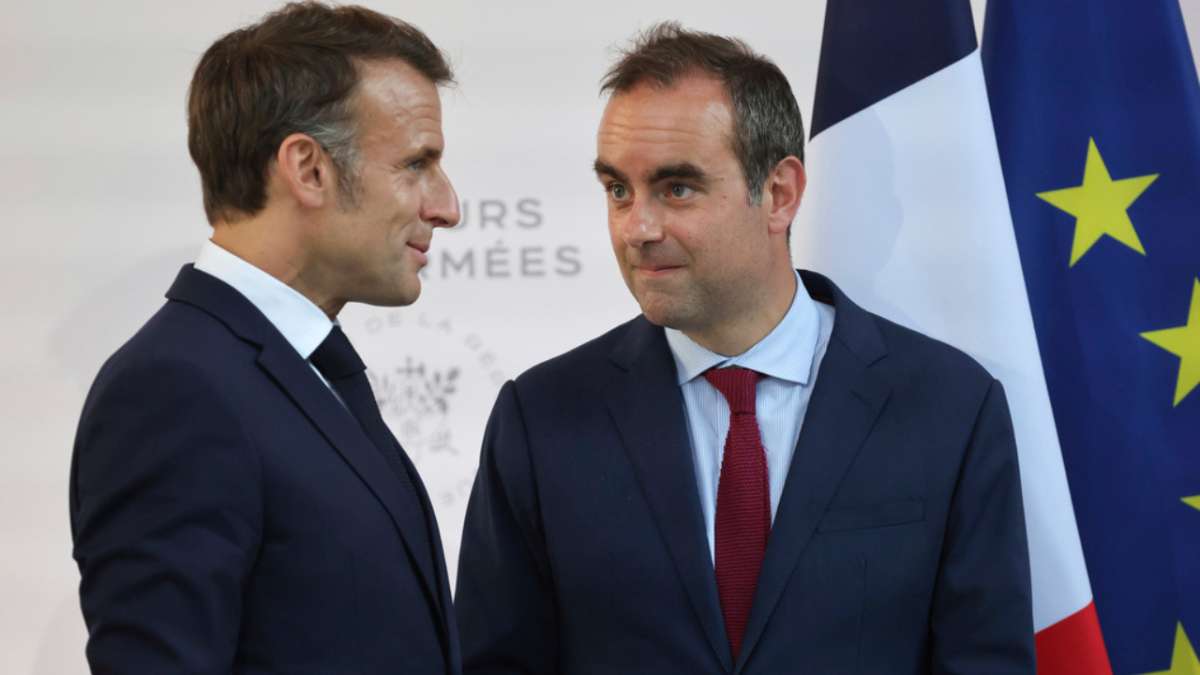
In a decisive move to tackle France’s deepening political crisis, President Emmanuel Macron has reappointed Sebastien Lecornu as Prime Minister. This decision comes just days after Lecornu’s surprising resignation and aims to inject stability into Macron’s second term, which runs until 2027. Lecornu’s immediate priorities include forming a new government and presenting a national budget to appease mounting economic concerns.
Lecornu’s return to the premiership follows a week of intense political wrangling and internal government conflicts that led to his initial departure. Macron, currently operating without a firm parliamentary majority, faces increasing pressure and limited policy-making power. The confirmation from the Elysee Palace was swift, mirroring the announcement of Lecornu’s first appointment a month ago.
Accepting the renewed mandate, Lecornu cited a sense of duty and a clear mission: to ensure the nation has a budget by year’s end and to focus on the everyday issues affecting French citizens. He declared that prospective cabinet members must relinquish any plans to run for president in 2027, advocating for a government that embodies “renewal and a diversity of expertise.” Lecornu stressed the urgency of resolving the “political crisis that frustrates the French and undermines our country’s image and interests.”
The political turmoil peaked earlier in the week with Lecornu’s resignation, sparking widespread calls for Macron’s resignation or a dissolution of Parliament. Macron, however, bypassed these demands, reaffirming Lecornu’s leadership. Despite the reappointment, political figures remain skeptical, warning that the powerful National Assembly could reject another prime minister from Macron’s fragile centrist bloc, thus prolonging the political impasse. France is grappling with severe economic challenges, including a public debt of 114% of GDP and a poverty rate that surged to 15.4% in 2023, the highest since records began.