

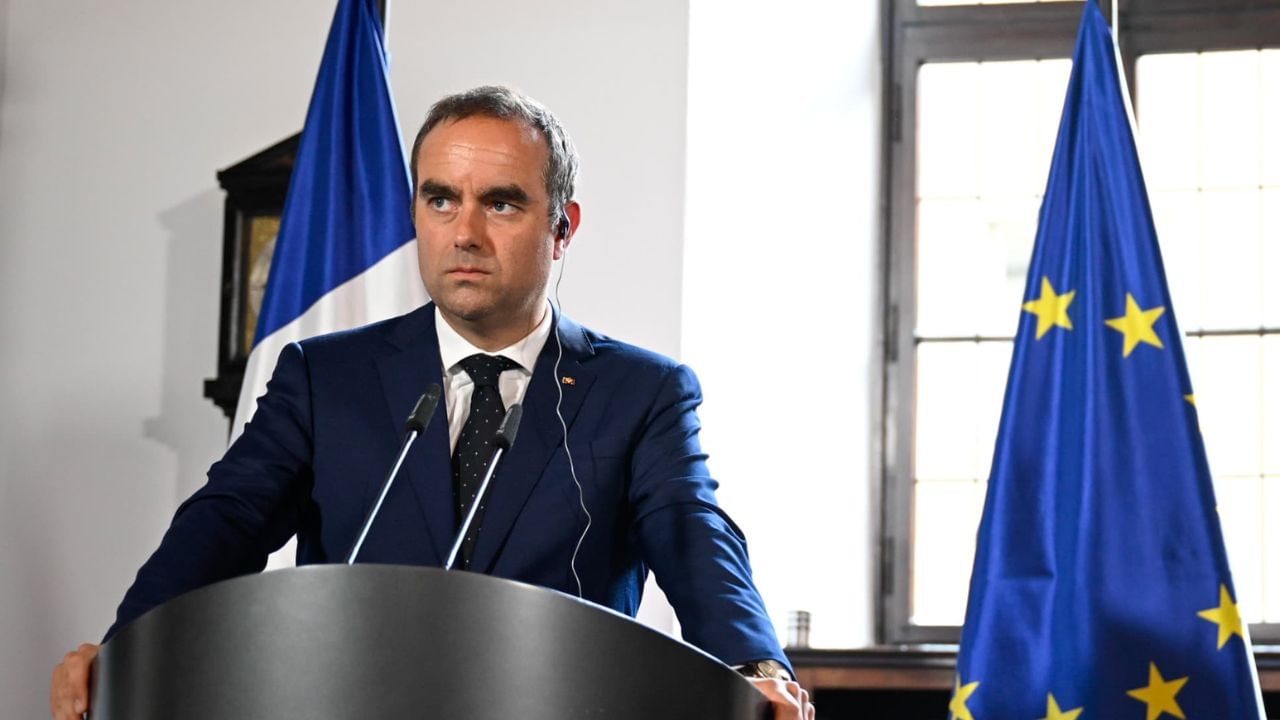
The French Prime Minister, Sebastien Lecornu, has resigned after only one month in office. His departure was triggered by his failure to present a budget and resolve the ongoing political stalemate. The Paris Stock Exchange experienced a 1.7 percent decline in response to Lecornu’s resignation.
Lecornu’s resignation came only a few hours after the formation of the cabinet. Furthermore, opposition parties in the parliament had brought forward a no-confidence motion against Lecornu, which he couldn’t survive.
Reportedly, a cabinet meeting was scheduled following the formation of the cabinet, however, Lecornu resigned before the meeting. He had reportedly foreseen that he would not receive acceptance in parliament. He opted to resign to avoid further criticism.
Macron appointed Lecornu as Prime Minister roughly a month ago, but opposition parties immediately challenged his appointment. Lecornu faced opposition primarily because of two key issues.
1. During the 2024 general elections, no party secured a majority. However, President Macron appointed his closest allies to the Prime Minister position. France Bayrou was initially given the PM’s seat. Macron faced accusations of exceeding constitutional limits to favor his allies. Bayrou’s term was short-lived. Subsequently, Lecornu was chosen, but he too, failed to gain the confidence of the House.
2. France is experiencing economic difficulties. The government is accumulating debt, and people are protesting for solutions. The government proposed budget cuts, which were strongly opposed by the public. Passing this budget through the House was deemed difficult. The budget was not passed during Bayrou’s tenure, and Lecornu faced the challenge.