

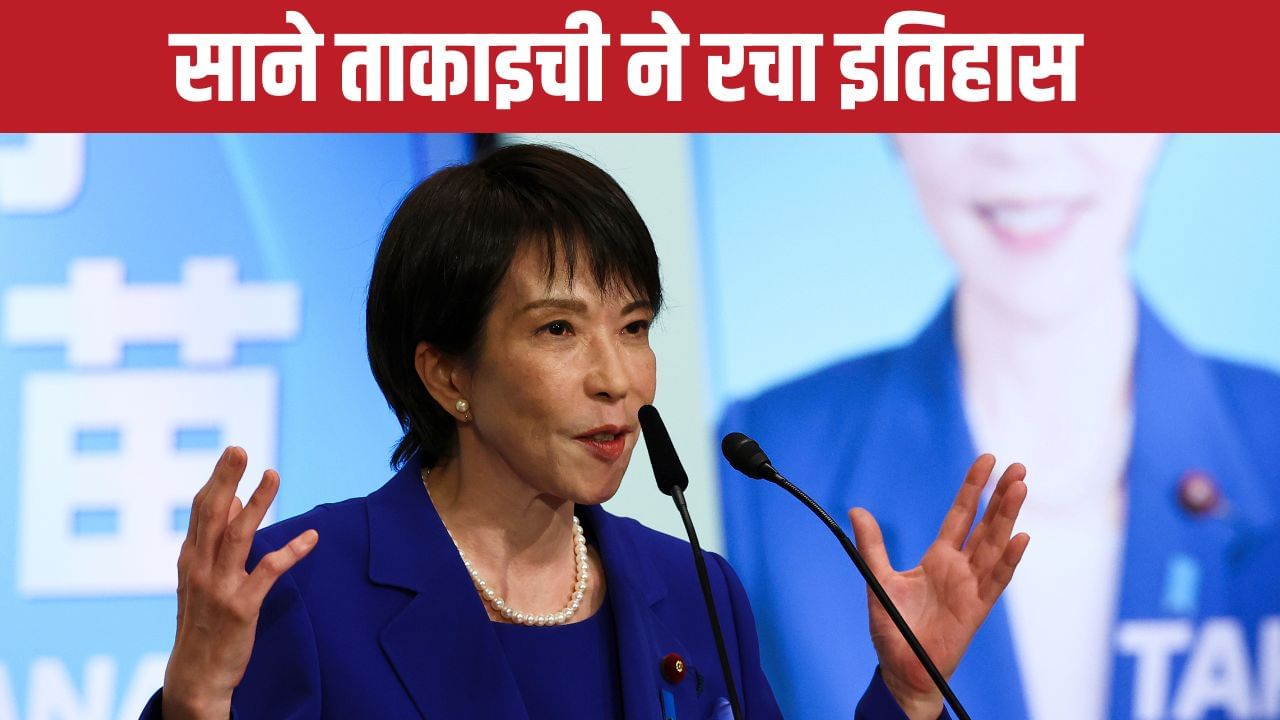
Former economic security minister Sanae Takaichi has been elected as the new leader of Japan’s Liberal Democratic Party (LDP). This victory marks a historic milestone as she prepares to become Japan’s first female Prime Minister. The leadership election took place on October 4th, following the resignation of Prime Minister Shigeru Ishiba on September 7th.
Five candidates competed for the leadership, with the main contest focusing on Takaichi and Agriculture Minister Shinjuro Koizumi. In the run-off vote, Takaichi defeated Koizumi, who is the son of former Prime Minister Junichiro Koizumi.
In the first round of voting, Takaichi received 183 votes, while Koizumi secured 164. As no candidate achieved a majority, a run-off was held. The run-off vote involved 295 LDP lawmakers and nearly 1 million party members, representing approximately 1% of Japan’s population.
Takaichi, aged 64, is considered a conservative politician. She supports visiting the controversial Yasukuni Shrine, amending Japan’s pacifist constitution, and strengthening security cooperation with Taiwan. She has also suggested a review of investment agreements with the United States.
Before the run-off, Takaichi stated that she was inspired by the criticism from across the country, questioning what the LDP stands for. She expressed her desire to turn people’s daily struggles and worries about the future into hope.
With this win, Takaichi is set to make history as Japan’s first female Prime Minister. Her campaign focused on boosting the nation’s economy and ensuring its security. Takaichi has proposed a plan to double Japan’s economy within a decade.
She views India as a special strategic partner and emphasizes collaboration in the Quad and the Indo-Pacific region.
A parliamentary vote is expected in mid-October to formally confirm the new Prime Minister. The new leader will immediately face diplomatic challenges, including a meeting with US President Donald Trump at the APEC summit in South Korea at the end of October. Japan may face pressure at this meeting to increase its defense spending.