

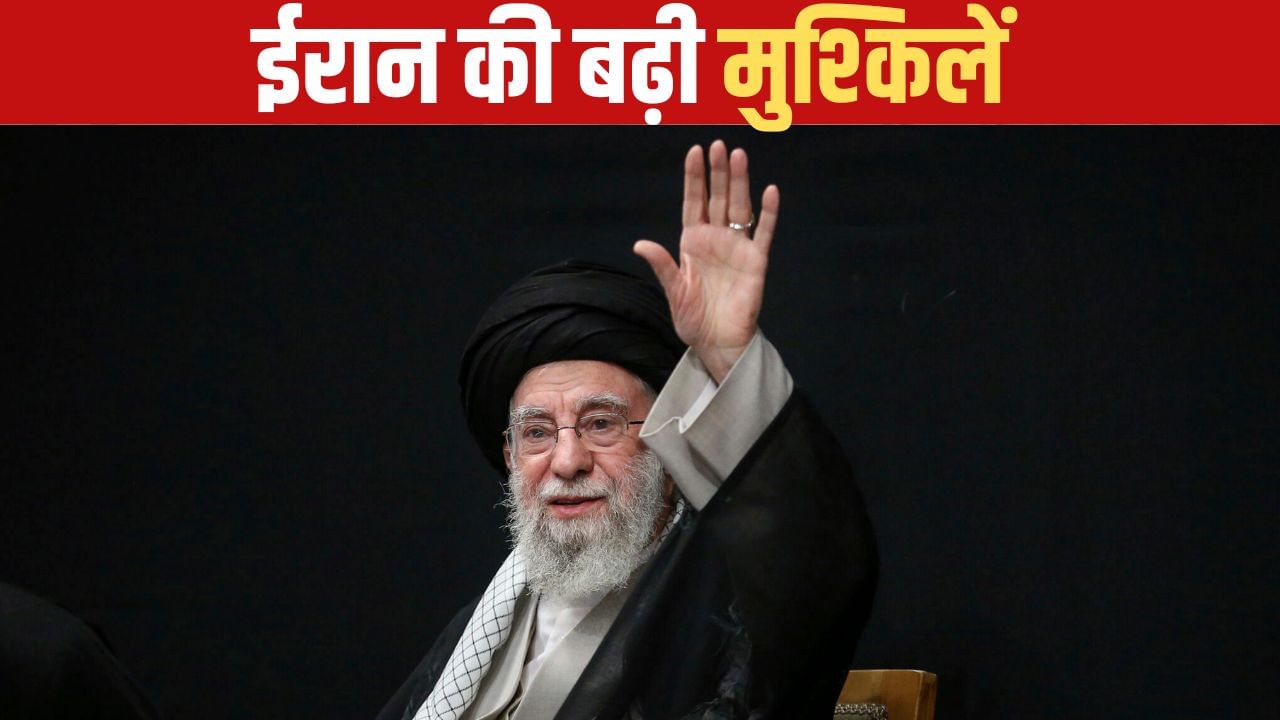
Iran’s difficulties are compounded as the United Nations (UN) has reimposed sanctions linked to its nuclear program. These measures include an arms embargo, restrictions on nuclear-capable missiles, asset freezes, and travel bans. With its economy already fragile, Iran is anticipated to face even greater hardship.
The move was prompted by major European countries, while Tehran has warned of a robust response. The sanctions were reactivated under the ‘snapback’ mechanism, a component of the 2015 nuclear agreement (JCPOA) between Iran and global powers.
The snapback provision in the 2015 Iran nuclear agreement (JCPOA) allows for the automatic re-imposition of all previous UN sanctions within 30 days without the need for Security Council approval if any party presents evidence that Iran is not complying with the agreement. These measures include freezing Iranian assets, halting arms sales, restricting ballistic missile programs, imposing travel bans, and preventing the transfer of nuclear technology, which has resulted in the re-imposition of sanctions on Iran.
Britain, France, and Germany have accused Iran of violating the 2015 nuclear agreement, which aimed to prevent Iran from developing nuclear weapons.
Despite the accusations, Iranian President Masoud Pezeshkian, speaking at the UN General Assembly in New York, affirmed that Iran has no intention of pursuing nuclear weapons. He reiterated that Iran has never sought, nor will it seek, to create a nuclear bomb. Despite his declaration, the sanctions have been reinstated.
The potential unraveling of this long-standing nuclear agreement could intensify tensions in the Middle East, especially considering the reported bombing of Iranian nuclear sites by the United States and Israel only three months earlier.
Foreign ministers from Britain, France, and Germany issued a statement, urging Iran and all other nations to fully adhere to these proposals and to continue diplomatic engagement. They stated that the reimposition of UN sanctions does not signal the conclusion of diplomacy.
Russia has expressed opposition to the move. Russian Foreign Minister Sergey Lavrov stated that the action is illegal and cannot be enforced. He communicated to UN Secretary-General António Guterres in writing that recognizing the sanctions’ reinstatement would be a serious misstep.
While Iran has cautioned it will respond strongly to the sanctions, President Masoud Pezeshkian has stated that the country has no intention of withdrawing from the Non-Proliferation Treaty. In response, Iran recalled its ambassadors to Germany, France, and Britain for consultations, asserting that the European countries have taken irresponsible actions, contributing to increased regional instability.