

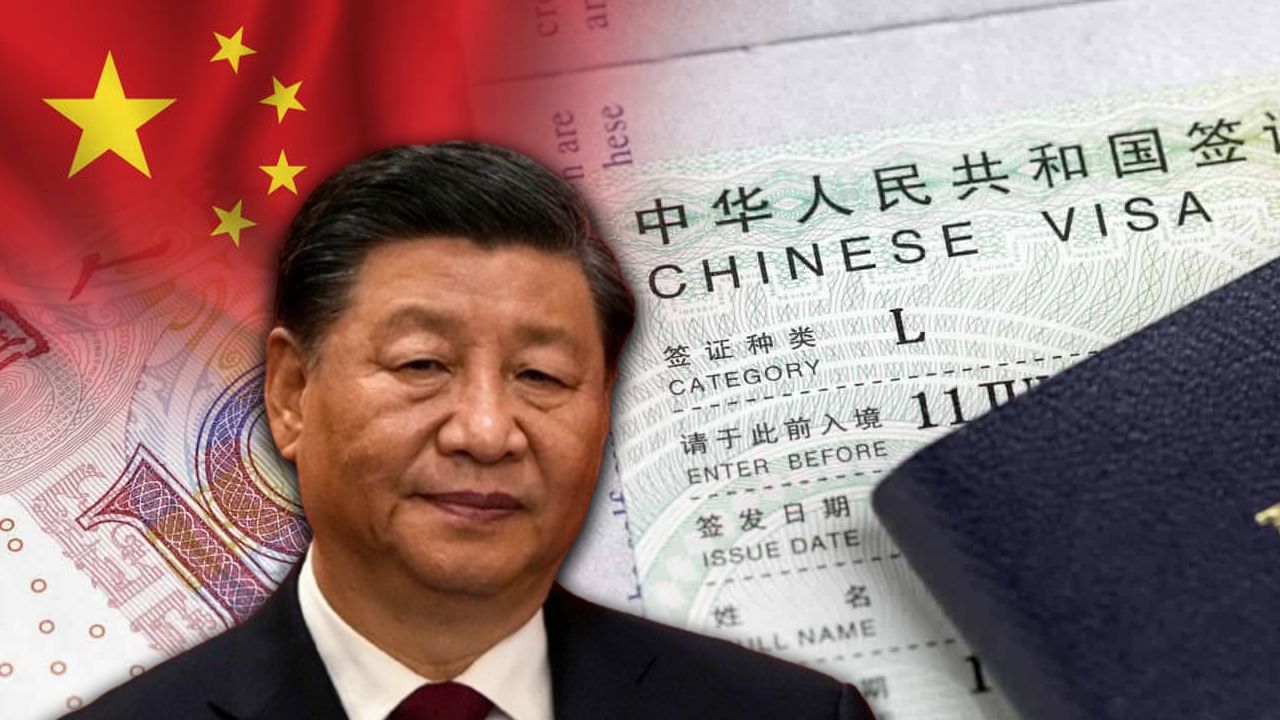
China has launched the K-visa, a multi-entry visa designed to attract foreign business leaders, investors, and STEM professionals. This initiative, starting October 1st, aims to simplify entry and boost business and research, especially in contrast to stringent US visa policies.
However, experts are skeptical whether the K-visa alone can yield significant results. They point out that the obstacles lie not only in administrative hurdles but also in the fundamental structures of China’s economic, legal, and political environment.
**The Realities Beyond the Visa**
Foreign professionals in China face various challenges. Limited English proficiency poses a language barrier, affecting interactions both professionally and personally. Cultural and dietary differences can complicate long-term stays. Furthermore, internet restrictions, censorship, and a restrictive social climate can make it difficult for foreign nationals to feel at ease. Concerns about children’s education and access to reliable healthcare are added difficulties for families.
**Why the K-Visa Might Fall Short:**
1. **Legal and Data Compliance:** China’s laws may require companies and individuals to share sensitive data, which impacts trust.
2. **Technical Constraints:** US and allied export controls limit access to advanced technologies for foreign experts.
3. **Trust Deficit:** Incidents involving foreign nationals have harmed China’s reputation, discouraging investment.
4. **Policy Volatility:** Sudden shifts in policy create an unstable business environment.
5. **Long-Term Residency Issues:** The difficulty of obtaining permanent residency discourages long-term investments.
6. **IP Concerns:** Weak enforcement of intellectual property rights discourages foreign firms from transferring technology.
7. **Competitive Options:** Countries like India, Vietnam, Indonesia, and Singapore offer more appealing opportunities.
8. **Political Sensitivities:** A large influx of foreign talent could create domestic political problems.
9. **Communication and Cultural Barriers:** Language barriers, limited academic freedom, and censorship pose obstacles.
**Necessary Improvements for China:**
The K-visa is a public relations move, but it will not resolve the core problems that are deterring foreign investors and talent. China needs to enhance legal transparency, create a stable business climate, and provide long-term residency options for the K-visa to succeed.