

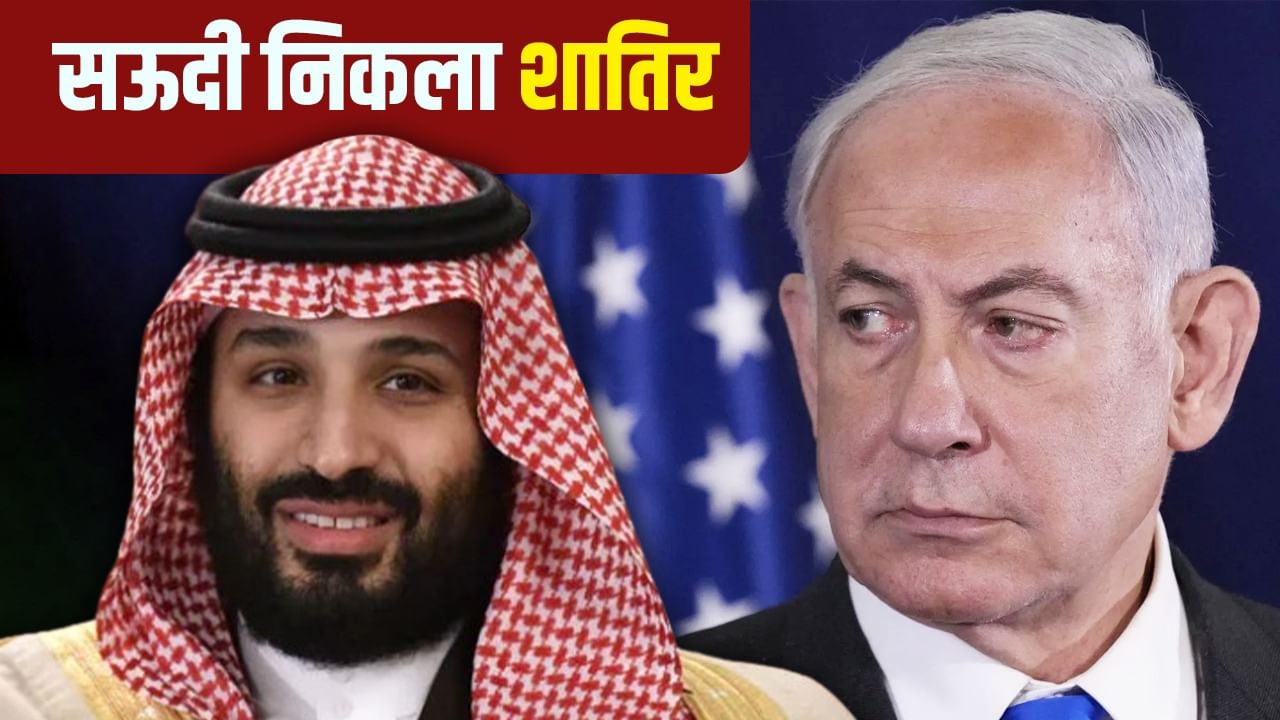
Saudi Arabia has become the dominant power in the Middle East, skillfully utilizing diplomacy to reshape the geopolitical landscape. In the past three months, Saudi Arabia has executed a series of calculated moves, effectively outmaneuvering Israel. This strategic brilliance has isolated Israel on the global stage. At the same time, Saudi Arabia has fortified its position as the most secure nation in the Gulf through a strategic deal with Pakistan.
Saudi Arabia, the largest country in the Middle East by area, shares extensive borders. Following concerns about border security, Saudi Arabia sought to strengthen its defenses. Although the U.S. has provided a security framework, developments in Qatar have raised concerns, compelling Saudi Arabia to seek alternative options.
The defense deal with Pakistan is significant, establishing that an attack on either country is considered an attack on both. With Pakistan possessing nuclear capabilities, this agreement introduces a considerable deterrent. In return, Saudi Arabia plans to invest in Pakistan’s railway, healthcare, and energy sectors. The Saudi-Pakistani partnership has strengthened Saudi Arabia’s security in the Gulf region, while experts suggest this deal has also affected the ambitions of a Greater Israel.
Concurrently, Saudi Arabia launched a campaign promoting a two-state solution to the Israeli-Palestinian conflict, asserting that peace in the Middle East requires the recognition of a Palestinian state. The initiative has received support from several countries. Israel has mainly the backing of the United States. This diplomatic shift represents a strategic setback for Israel.
If a Palestinian state is established, Israel’s position is likely to be challenged, particularly given the prospect of a Palestinian army. Saudi Arabia has also engaged with Iran, holding discussions on regional security. This multifaceted approach demonstrates Saudi Arabia’s pivotal role in reshaping the dynamics of the Middle East.