

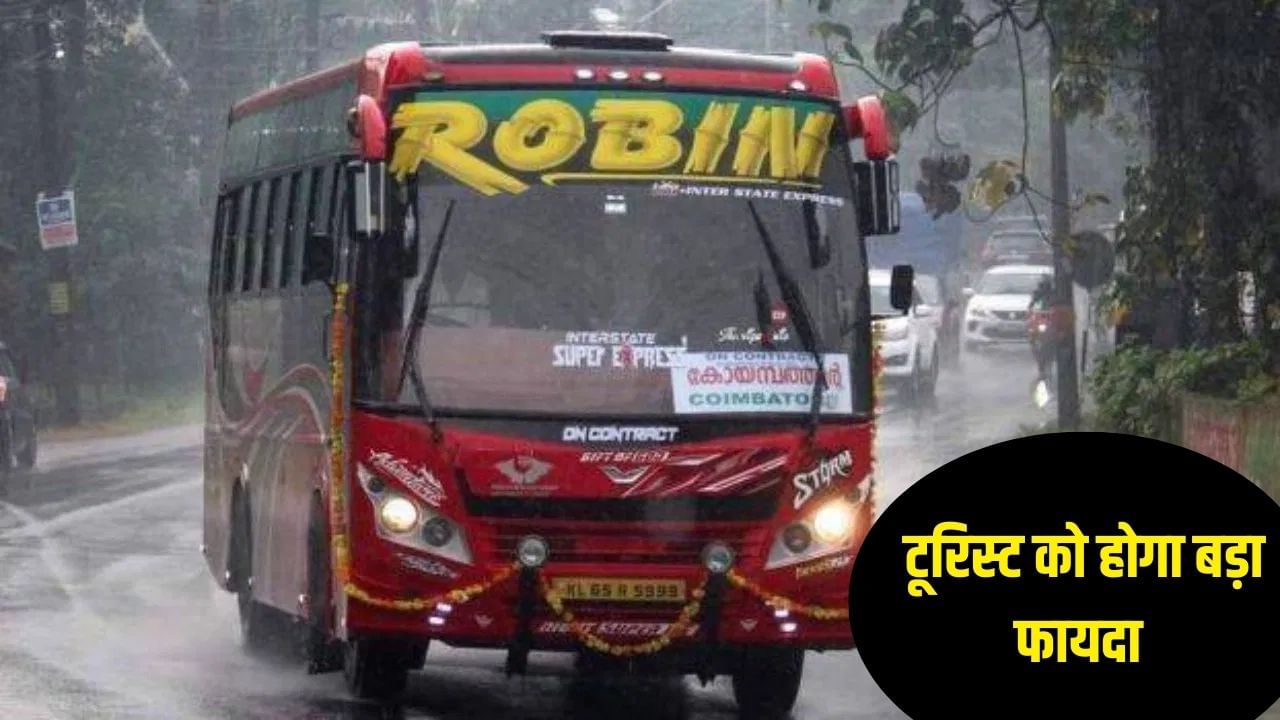
The Ministry of Road Transport and Highways (MoRTH) is set to introduce amendments to the All India Tourist Vehicle (Permit) Rules 2023. The proposed changes include a restriction on the duration tourist vehicles can operate outside their home state to a maximum of 45 days, with vehicle tracking systems in place to monitor compliance. Additionally, the ministry is considering extending the validity of tourist vehicle permits from the current 12 years to 15 years.
The primary goals behind these changes are to curb permit misuse, improve toll tax collection efficiency, and enhance passenger safety.
Key aspects of the new rules include:
* Each trip must originate and conclude within the vehicle’s home state.
* Vehicles will be limited to a maximum of 45 days of operation outside their home state, under the supervision of a command and control center.
* Tourist vehicles will not be allowed to function as stage carriages (local bus services), which means no unauthorized boarding or alighting of passengers.
* All vehicles must be equipped with a location tracking device and an emergency button.
* Operators must ensure that there are no outstanding challans older than 30 days.
* The payment of outstanding toll dues will be mandatory, even without FASTag, for permit acquisition and renewals.
The revised application procedure for all-India tourist permits requires submission to the transport authority of the vehicle’s registered state. Applicants will need to provide essential information such as their address, Aadhaar/company ID/GSTIN, vehicle fitness, insurance and tax validity details, and information on seating and sleeping capacity.
The proposed regulations also address issues related to varying tax and registration practices across states. For example, Nagaland has experienced a surge in tourist bus registrations due to lower costs, even though a significant number of these buses do not operate within the state. In 2025, Nagaland issued 1.36 lakh national tourist permits, substantially more than states like Kerala, Himachal Pradesh, Telangana, Madhya Pradesh, Punjab, and Karnataka. The states that issued more permits than Nagaland were Haryana, Rajasthan, Uttar Pradesh, and Maharashtra.
In 2017, Arunachal Pradesh took action by revoking the registrations and permits of tourist buses that were not operational in the state, resulting in only 293 active permits.
The public is invited to submit suggestions and objections to the draft rules within a 30-day period. These submissions can be sent to the Additional Secretary (MVL), Ministry of Road Transport and Highways, Transport Bhavan, Parliament Street, New Delhi-110001, or via email.
The introduction of these new rules is expected to bring about increased transparency, enhanced security, and more effective control over the operation of tourist vehicles. Furthermore, they are designed to mitigate potential tax revenue losses for states while strengthening the overall accountability for the safety and well-being of tourists.