

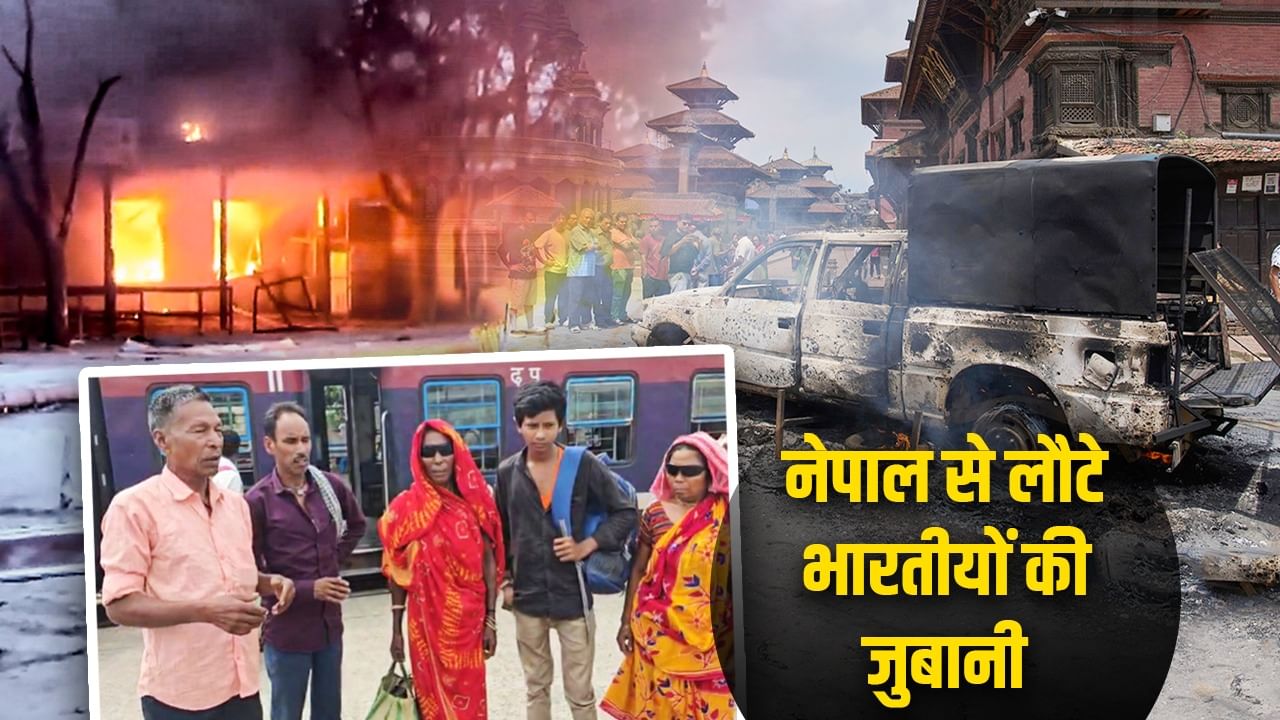
Nepal is facing a period of intense political instability, marked by a coup and resulting unrest. The resignations of Prime Minister KP Sharma Oli and President Ramchandra Paudel triggered widespread protests across the nation. Protesters, predominantly young people, targeted government buildings and the residences of politicians, including former Prime Minister Sher Bahadur Deuba. This situation left numerous Indian citizens stranded. A number of these individuals, particularly those seeking medical treatment, managed to return to India safely.
Upon their return, patients and their families from the Katihar region shared their experiences. They reported that despite the widespread violence, Indian citizens were not targeted by the protestors. The demonstrations were primarily aimed at the government and political leaders, leaving the Indian nationals unharmed and hospitals unaffected.
Raju Das, a resident of Katihar, recounted his trip to Nepal for his relatives’ medical care. He noted that despite the ongoing demonstrations, the hospital administration prioritized the safety of the patients. The Indian nationals did not experience any difficulties and were able to return home following their treatment.
Sudhir Das, who was present at an eye hospital in Biratnagar with three patients, described the turmoil outside. The doctors advised them to stay within the hospital premises, where treatment continued smoothly. They were able to return to India once the situation stabilized.
In recent years, Nepal has become a significant center for healthcare, especially in the field of ophthalmology. The country provides cost-effective and high-quality eye care, making it a popular destination for patients seeking treatment. This has helped Nepal transition into a rising medical destination.