

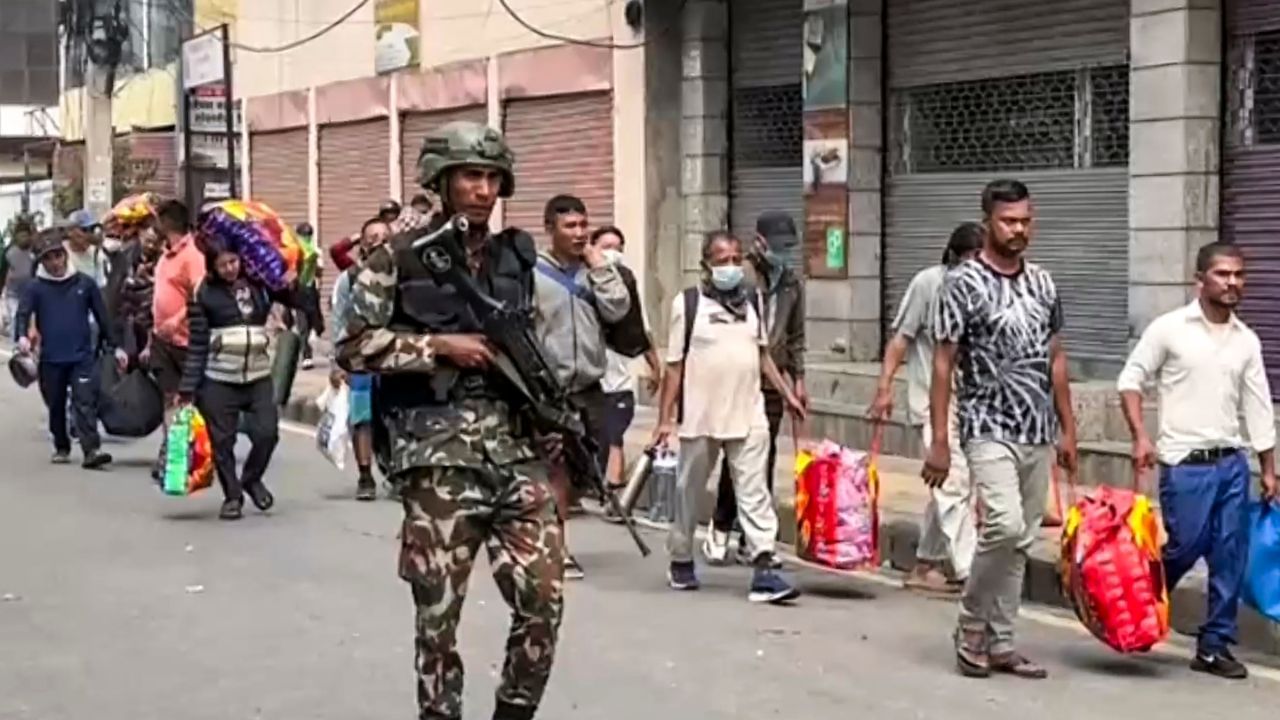
Ongoing protests in Nepal, initiated by Gen-Z demonstrators, have added to the instability following the resignation of Prime Minister KP Sharma Oli. A major consequence of the unrest has been mass jailbreaks, with over 13,000 prisoners escaping from 15 different prisons.
Before the recent escapes, the prison system held approximately 30,000 inmates. The deterioration of law and order, as violence escalated and the government collapsed, caused police to be redirected from their usual duties, which allowed protesters to target police stations and government facilities. This breakdown in security enabled the mass escape of inmates, and weapons were also stolen from police stations.
The proximity of some of these prisons to the Indian border has caused concern in India, as the escapees could cross over. As a result, the Indian army has been deployed to the Nepal border.
According to information from the Nepal Ministry of Home Affairs and the Nepal Police, a total of 13,572 inmates have escaped.
The numbers of escapees from each facility are as follows:
* Jhumpka Jail: 1575
* Nakku Jail: 1200
* Delhi Bazaar Jail: 1100
* Kaski Jail: 773
* Chitwan Jail: 700
* Kailali Jail: 612
* Jaleshwar Jail: 576
* Nawalparasi Jail: Over 500
* Sindhuligadhi Jail: 471
* Kanchanpur Jail: 450
* Gaur Jail: 260
* Dang Jail: 124
* Solukhumbu Jail: 86
* Bajhang Jail: 65
* Jumla Jail: 36
The total number of escapees now stands at 13,572, including those who fled from other jails and police custody.
In the wake of Oli’s resignation, military rule has been implemented in Nepal. Army chief Ashok Raj has called upon protestors to halt their actions and participate in discussions. Furthermore, negotiations regarding the establishment of an interim government are taking place, with potential leaders being considered.